↓
 

Huntsville Brick Stone

Brick & Stone Masons in Huntsville, AL

Huntsville Brick Stone
  • Home
  • Brick Masonry
  • Stone Masonry
  • Indoor Fireplaces
  • Outdoor Fireplaces
  • Custom Tile Showers
  • Retaining Walls
  • Gallery
Home→Categories Masonry - Page 2 << 1 2 3 >>

Category Archives: Masonry

Post navigation

← Older posts
Newer posts →

Brick or Stone Mailbox? A Mason Weighs In

Huntsville Brick Stone Posted on May 29, 2026 by HuntsvilleBSMay 29, 2026
Brick and stone mailbox comparison showing two masonry mailbox styles in front of residential homes

Your mailbox is the first thing people notice when they pull up to your home. It sits at the edge of your property, setting the tone for everything behind it. Most homeowners ignore it until something goes wrong: a car clips it, the mortar starts crumbling, or a neighbor’s new masonry mailbox makes the old metal post look embarrassing.

If you are thinking about upgrading to a masonry mailbox, the first decision is material. Brick and stone are both excellent choices. They are durable, permanent, and far more attractive than anything made from wood or metal. But they are not the same, and the right choice depends on your home.

According to the National Association of Realtors, 99% of real estate agents believe curb appeal attracts strong buyers, and exterior improvements can generate roughly a 238% return on investment. A masonry mailbox is one of the simplest upgrades you can make to capture that return.

What Is a Brick Mailbox?

A brick mailbox is a permanent masonry structure built from fired clay bricks and mortar, set on a poured concrete footing. A mason lays each brick in courses, fills the joints with mortar, and installs a metal insert to hold the mail. The finished column can also include planters, address plaques, lighting, and newspaper slots.

Brick mailboxes come in two main formats. A custom-built mailbox is constructed on-site by a brick mason who matches your home’s existing brick color, size, and mortar joint style. A pre-built mailbox is a factory-produced unit that gets delivered and installed on a new concrete pad. Custom builds cost more but look more intentional and cohesive with the home.

Average installed cost:

  • Pre-built brick mailbox: $600 to $1,200
  • Custom brick mailbox: $700 to $1,500
  • Mason labor: $55 to $125 per hour
  • Permit fees (where required): $45 to $145

What Is a Stone Mailbox?

A stone mailbox is built using the same process as a brick mailbox, with a concrete footing and mortar, but the surface material is natural or manufactured stone. The type of stone you choose changes the look, the price, and how much maintenance the mailbox will need over time.

Common stone types used in Huntsville area mailboxes include:

  • Fieldstone: Irregular natural stones with a rustic, organic look
  • Flagstone: Flat-cut slabs with a clean, structured appearance
  • Limestone: Smooth and light-colored, a traditional choice for Southern homes
  • Cultured stone: Man-made veneer with consistent sizing, lower cost, and high customizability
  • Stacked stone veneer: A modern, architectural look that suits contemporary builds

Natural flagstone and fieldstone mailboxes carry the highest material costs among all stone mailbox types. Cultured stone brings the price closer to brick while still delivering a high-end appearance.

Average installed cost:

  • Stone mailbox (pre-built or cultured stone): $600 to $1,500
  • Custom natural stone mailbox: $900 to $1,900

Cost: Are They Really That Different?

On paper, the price ranges overlap almost completely. In practice, natural stone mailboxes tend to run $100 to $400 more than a comparable brick build. That difference comes from material sourcing and the extra time a stone mason spends cutting and fitting irregular stone profiles.

If budget predictability matters to you, brick is the safer choice. The cost is more consistent across quotes because standard clay brick is widely available, easy to price, and straightforward to install.

Both materials require a concrete footing, which is typically included in the quote. You should also budget for extras like a quality mailbox insert ($18 to $200), address numbers ($50 to $300), and optional lighting ($50 to $150).

Durability: Which One Lasts Longer?

Mason using a level while building a brick mailbox to ensure proper alignment and long-term durability

Both brick and stone masonry mailboxes last 50 years or more when properly built. The material itself is not what fails. What fails is a weak foundation, poor mortar quality, or no sealing.

The most common cause of premature masonry mailbox failure is a shallow or undersized concrete footing. Without a proper footer, the column shifts and leans over time, particularly in Alabama’s clay-heavy soil. A skilled mason pours the footer deep enough to prevent movement regardless of seasonal ground shifts.

Brick has a slight edge in impact resistance, but not because it is harder. It is simply easier to repair. If a car hits a brick mailbox, a mason can source matching replacement bricks with relative ease. With natural stone, matching the color, texture, and profile of irregular fieldstone or regional limestone is harder and sometimes impossible without visible patching.

Curb Appeal: Which One Looks Better?

Neither material is objectively better looking. The right choice depends entirely on your home’s existing exterior.

A brick mailbox looks best when:

  • Your home has a brick exterior
  • The architecture is traditional, Colonial, Craftsman, or ranch-style
  • The landscaping is manicured and symmetrical
  • You want a classic, uniform look that blends with the neighborhood

A stone mailbox looks best when:

  • Your home has a stone or mixed-material exterior
  • The architecture is farmhouse, Tudor, contemporary, or rustic
  • The landscaping is natural or cottage-style
  • You want a distinctive, upscale entry point that stands apart from the street

The best rule is simple: match your mailbox to your home’s dominant exterior material. A brick house with a stone mailbox can work if the colors and tones are compatible, but a mason’s eye for proportion and material harmony makes all the difference. In a comparable case study from Connecticut, a home with a brick masonry mailbox sold for $4,500 more than an identical neighboring property with a standard metal mailbox.

Maintenance: What to Expect After Installation

Both options require very little maintenance compared to wood or metal mailboxes, which may need full replacement within 10 to 15 years.

For brick mailboxes, annual inspection of mortar joints is enough to catch small cracks before water enters and causes damage. Reseal with a penetrating masonry sealer every three to five years. Tuckpointing, the process of refilling worn mortar joints, is typically needed every 10 to 20 years.

For stone mailboxes, natural stone requires more frequent sealing, especially in Huntsville’s humid climate. Limestone and flagstone are porous and absorb moisture if left unsealed. Cultured stone is more forgiving and holds sealant more evenly.

One practical note: keep grass, mulch, and vegetation away from the base of any masonry mailbox. Moisture trapped at ground level is one of the most common causes of mortar deterioration.

Which Is Right for Your Home?

If your home has a brick exterior, a custom brick mailbox built to match your existing brickwork is the strongest choice. It creates a cohesive, polished look from the street and signals that your property has been thoughtfully maintained.

If your home has a stone exterior, mixed materials, or contemporary architecture, a stone mailbox completes the picture in a way that brick simply cannot.

When in doubt, call a local masonry professional before committing. A mason who works with both materials can assess your home’s exterior, suggest the right stone or brick type, and give you an honest recommendation based on what they see rather than what looks good on paper.

Posted in Masonry | Tagged brick mailbox

How to Know Which Brick Repair Your Home Needs 

Huntsville Brick Stone Posted on May 11, 2026 by HuntsvilleBSMay 8, 2026
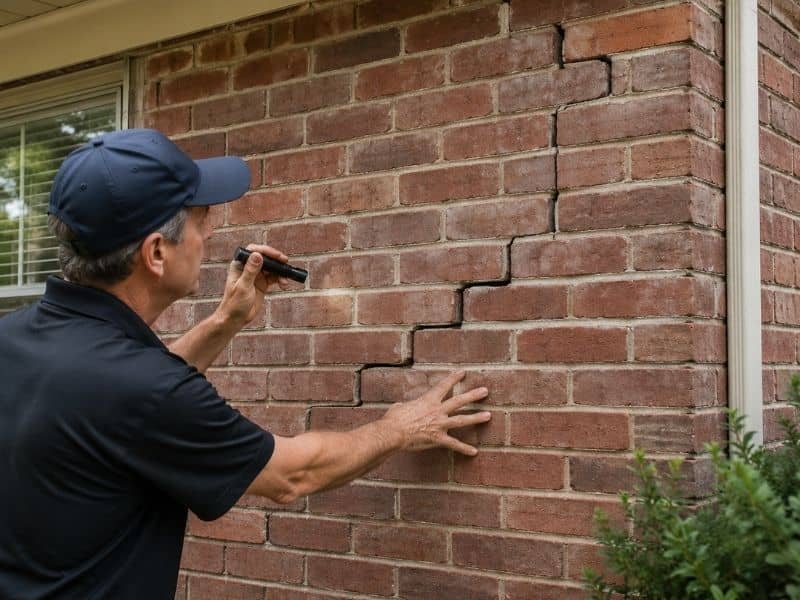
Contractor inspecting stair-step cracks and damaged mortar on a residential brick wall during a brick repair evaluation

Brick homes can last for generations. Still, even strong masonry starts showing wear over time. You may notice cracks near a chimney, loose mortar around steps, or bricks that look chipped and worn down.

At first, the damage may seem small. However, brick repair problems often grow faster than homeowners expect. Water enters tiny gaps. Soil shifts under the home. Then cracks begin spreading across the wall.

The hard part is knowing what type of repair you actually need.

Some homes only need repointing. Others need damaged bricks replaced. In more serious cases, the issue points to structural movement underneath the home.

Knowing the difference early can help you avoid larger and more expensive repairs later.

Signs Your Brick Repair Problem May Only Need Repointing

Repointing fixes damaged mortar between bricks when the brick itself still remains strong. Homes often need repointing after years of rain, moisture, and weather exposure. Early repointing helps stop water damage before cracks spread deeper into the wall or foundation.

Many brick problems begin with mortar damage, not the bricks themselves.

Mortar is the material between the bricks. Over time, heat, rain, and moisture slowly wear it down. Huntsville weather can speed up that process, especially during long wet periods and winter temperature swings.

In fact, properly maintained brick masonry can last more than 100 years. However, neglected mortar joints can fail much sooner.

What Damaged Mortar Looks Like

When mortar starts breaking apart, you may notice:

  • small gaps between bricks
  • sandy or powdery mortar
  • tiny cracks along joints
  • loose mortar near walls or steps

This is where repointing helps.

Repointing removes damaged mortar and replaces it with fresh mortar while keeping the original bricks in place. In many older neighborhoods, homes show mortar wear long before the brick itself fails.

That is why repointing often solves the issue early.

Still, timing matters.

If you wait too long, water can move behind the brick. Then the damage spreads deeper into the wall structure.

When Brick Replacement Makes More Sense

Brick replacement becomes necessary when bricks crack, flake, or break apart from long-term moisture damage. Replacing damaged bricks early helps prevent water intrusion, wall instability, and larger masonry repair costs around chimneys, steps, retaining walls, and exterior brick surfaces.

Sometimes the mortar is not the only problem.

Bricks can crack, chip, or break apart after years of moisture exposure. In some cases, the surface starts peeling or flaking. This issue is called spalling.

Brick damage often worsens during freeze-thaw cycles when trapped moisture expands inside masonry materials.

Signs Bricks Are Too Damaged to Save

You may notice:

  • bricks that look swollen
  • deep cracks across the face
  • corners breaking apart
  • brick surfaces peeling away

At that point, repointing alone will not solve the problem.

The damaged bricks need replacement.

Fortunately, many brick repair projects only require replacing a small section. A masonry contractor can remove damaged bricks while keeping the surrounding wall intact.

Common Areas Where Brick Replacement Happens

This type of damage often appears around:

  • chimneys
  • retaining walls
  • brick steps
  • mailbox columns
  • lower wall sections near drainage areas

Chimneys often show some of the earliest signs of masonry deterioration because they face constant exposure to rain, heat, and changing temperatures.

Replacing damaged bricks early helps prevent larger wall problems later.

Brick Cracks That May Point to Structural Problems

Some brick cracks signal structural movement underneath the home instead of surface masonry wear. Stair-step cracks, sticking doors, uneven floors, and separating brick corners often point to foundation shifting caused by moisture changes and soil movement around Huntsville properties.

Not every crack means the home is shifting. Still, certain crack patterns can signal a larger problem underneath the structure.

One common warning sign is a stair-step crack.

What Stair-Step Cracks Mean

These cracks move diagonally through the mortar joints and look like steps climbing up the wall. In many cases, they happen when part of the foundation settles unevenly.

You may also notice:

  • doors sticking
  • windows not closing properly
  • uneven floors
  • gaps near trim or ceilings
  • brick pulling away from corners

When several of these problems happen together, the issue may go beyond surface brick repair.

Why Soil Movement Affects Homes

Huntsville homes often deal with changing soil moisture levels throughout the year. Expansive clay soil can shift during wet and dry weather changes, which may contribute to stair-step cracking in brick walls.

As the soil moves, the brick above it reacts too.

In these situations, fixing the brick without fixing the movement usually leads to recurring cracks.

That is why structural inspections matter when damage keeps returning.

Why DIY Brick Repair Often Fails

DIY brick repair often fails because homeowners use the wrong mortar mix or only patch visible cracks. Improper repairs can trap moisture inside brick surfaces, cause recurring damage, and create uneven color matching that affects both appearance and long-term durability.

Many homeowners try quick brick repairs using hardware store mortar or sealants. Unfortunately, those repairs often create larger problems later.

Wrong Mortar Mix Problems

Older brick needs the correct mortar mix. If the mortar is too strong, it can trap moisture inside the brick. Then the brick begins cracking instead of the mortar joint.

This happens more often than people realize.

Why Surface Patching Does Not Last

Some homeowners fill visible cracks without checking where the moisture comes from. The crack may disappear temporarily, but water keeps moving behind the wall.

Later, the damage returns worse than before.

Why Color Matching Brick Is Difficult

Fresh mortar rarely matches older mortar right away. Brick color changes over time too. Without proper matching, repaired areas often stand out across the wall.

Professional brick repair focuses on both appearance and long-term durability.

What Masonry Contractors Look for During an Inspection

Masonry contractors inspect drainage, mortar condition, wall movement, chimney stability, and foundation signs before recommending brick repair. A full inspection helps determine whether the damage needs repointing, brick replacement, or structural repair to prevent recurring problems later.

A good masonry contractor does more than inspect the crack itself.

First, they check how water moves around the property. According to masonry industry studies, water intrusion remains one of the leading causes of long-term brick deterioration.

Poor drainage often causes brick damage near:

  • foundations
  • retaining walls
  • steps
  • mailbox columns

Next, contractors inspect the mortar condition. Crumbling joints usually point toward repointing needs.

Then they check for movement patterns.

For example, cracks near windows and doors may signal foundation shifting underneath the structure. Bulging walls or leaning chimneys can also point to deeper support issues.

The age of the home matters too.

Older homes may use softer brick and mortar materials. Those materials need careful repair methods to avoid additional damage.

A proper inspection helps separate cosmetic problems from structural concerns.

That way, homeowners avoid paying for the wrong repair.

Why Early Brick Repair Saves Money

Early brick repair helps stop moisture damage before it spreads deeper into walls and foundations. Small mortar cracks and loose bricks can quickly grow into expensive structural problems when water continues entering the masonry system over time.

Small brick problems rarely stay small forever.

A tiny mortar crack can slowly let water behind the wall. Over time, moisture weakens nearby bricks and spreads into surrounding areas.

Then repair costs rise.

The same thing happens with leaning mailbox columns or cracked brick steps. At first, the issue may look cosmetic. However, moisture and shifting often continue underneath the surface.

Early repairs help stop that cycle before larger structural work becomes necessary.

More importantly, early brick repair helps protect the appearance and value of the home.
Posted in Masonry | Tagged Brick

Why Stone Walls and Veneer Fail: Stone Mason Guide

Huntsville Brick Stone Posted on May 8, 2026 by HuntsvilleBSMay 8, 2026
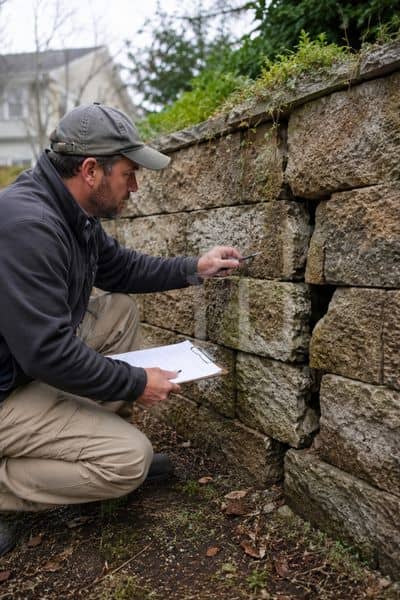
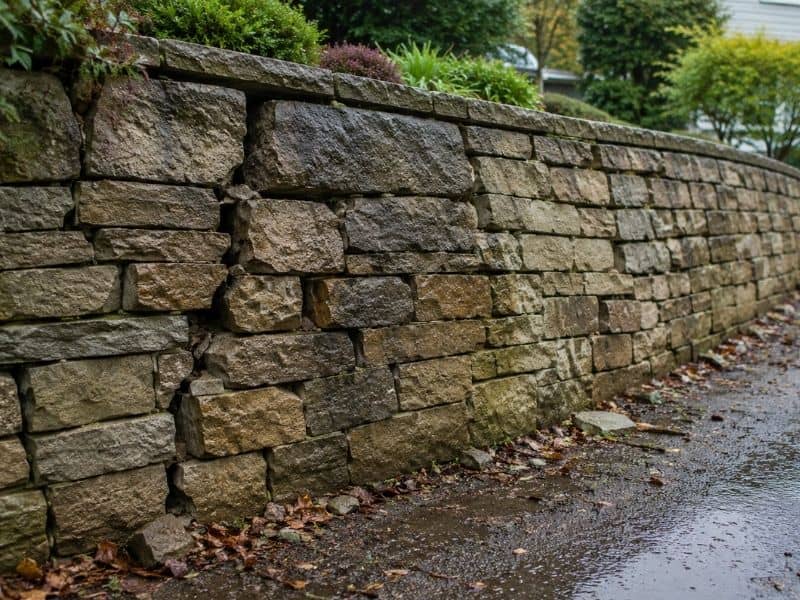
Stone mason inspecting a cracked retaining wall with visible water damage near a residential home

Stone walls and veneer can make a home look strong, warm, and timeless. Many homeowners choose stone for fireplaces, retaining walls, entryways, patios, and outdoor kitchens because it adds beauty and value. A skilled stone mason can help homeowners build features that last for years. Still, problems can show up sooner than expected when the installation or drainage is not done correctly.

A wall starts to lean. Small cracks spread across the mortar. Stones loosen after heavy rain. Veneer begins to pull away from the house. At first, the damage may seem minor. However, these signs usually point to a deeper problem underneath.

Many homeowners feel frustrated when this happens. They spent good money on the project, yet the stonework already looks worn or unsafe.

In most cases, the stone itself is not the problem. The real issue comes from poor drainage, weak installation, or movement in the ground below. An experienced stone mason can often spot these warning signs early and prevent larger repairs later.

What Causes Stone Walls and Veneer to Fail?

Stone walls and veneer usually fail because of trapped moisture, poor drainage, shifting soil, weak foundations, or improper installation. In Huntsville, heavy rain and changing soil conditions often place extra stress on masonry structures, especially retaining walls and exterior stone veneer systems.

How Water Damages Stone Walls

Water creates some of the biggest problems in masonry work.

When rainwater moves behind a stone wall, pressure starts to build. Over time, that moisture weakens mortar joints and shifts the soil underneath. Then the wall slowly begins to move.

This happens often with retaining walls in sloped yards around Huntsville. Heavy rain can push water into the soil behind the wall. If the builder skipped proper drainage, the wall may bulge, crack, or lean forward.

According to masonry experts, poor drainage remains one of the leading causes of retaining wall failure because water pressure builds behind the structure over time.

Stone veneer also struggles with trapped moisture. Water can slip behind the veneer when flashing or sealing fails. Then the surface starts separating from the structure underneath.

Many homeowners first notice:

  • cracks in mortar
  • white stains on stone
  • loose veneer pieces
  • wet spots near walls
  • stones shifting out of place

These problems rarely fix themselves. Instead, they usually grow worse after each storm season.

How Moisture Causes Stone Veneer Separation

Stone veneer systems require proper flashing and moisture barriers to prevent water from reaching the structure underneath.

When installers rush this step, water slowly enters behind the veneer. Then moisture weakens the adhesive and backing materials over time.

Eventually, homeowners may notice:

  • gaps between the veneer and wall
  • crumbling mortar joints
  • stained surfaces
  • loose stones near corners and windows

These problems often appear after heavy storms or long periods of humidity.

Why Weak Foundations Create Masonry Problems

Stone walls need stable, compacted ground to stay strong over time. When builders skip proper foundation preparation, the soil underneath shifts and settles. That movement causes cracks, leaning walls, loose stones, and long-term structural damage that grows worse with moisture exposure.

What Happens When Soil Shifts Under Stonework

A stone wall needs a stable base. Without one, the structure cannot stay strong for long.

Some contractors rush the groundwork to save time. They place stone over soft soil or skip proper compaction. At first, everything may look fine. However, the ground slowly settles over time.

As the soil shifts, the stonework shifts too.

This problem often affects:

  • retaining walls
  • garden walls
  • stone steps
  • patio borders
  • mailbox columns

Even small movements can create visible cracks. Then water enters those cracks and speeds up the damage.

How Soil Affects Masonry Structures

Huntsville homes often deal with changing soil moisture levels throughout the year. During wet months, the soil expands. During dry periods, it shrinks. That constant movement places stress on stone structures.

Expansive clay soil can shift significantly during wet and dry weather cycles, placing stress on retaining walls and masonry structures.

Because of this, strong preparation matters just as much as the stone itself.

Can Cheap Materials Cause Stone Veneer Failure?

Low-quality mortar, weak adhesives, and poorly installed veneer systems often fail faster in outdoor conditions. Huntsville weather exposes weak masonry materials to moisture, heat, and freeze-thaw cycles that slowly weaken the structure and shorten the life of the stonework.

Why Mortar Quality Matters

Not all masonry materials perform the same way.

Some builders use low-cost mortar or weak adhesive products that cannot handle long-term weather exposure. Others install thin veneer products without proper support behind them.

As a result, the veneer may loosen far earlier than expected.

In many cases, homeowners blame the stone. However, the real problem starts with the installation system underneath.

A skilled stone mason pays attention to:

  • drainage layers
  • mortar type
  • flashing details
  • support systems
  • expansion joints

These details may seem small, yet they make a huge difference over time.

How Weather Wears Down Weak Materials

Quality materials help stonework handle Huntsville’s changing weather conditions. Heat, humidity, and heavy rain can wear down weak systems quickly.

Water expands by nearly 9% when it freezes, which is why small cracks in mortar often grow larger during freeze-thaw cycles.

Well-built masonry walls can last for decades when contractors install proper drainage systems and stable foundations.

Why DIY Masonry Repairs Often Fail

Many DIY masonry repairs only hide visible damage without fixing the real problem underneath. Surface patching may temporarily cover cracks, but moisture, drainage problems, and foundation movement continue damaging the structure behind the stone or veneer.

Common DIY Masonry Repair Mistakes

Stone mason inspecting cracks and moisture damage on a residential retaining wall during a masonry evaluation

Many homeowners try fixing cracks or loose stones themselves. While that may sound simple, masonry repairs often need more than surface patching.

For example, filling a crack with store-bought mortar does not solve hidden drainage problems behind the wall. The crack may disappear for a short time, but the movement underneath continues.

DIY repairs also create issues like:

  • mismatched mortar color
  • trapped moisture
  • uneven surfaces
  • poor bonding
  • additional cracking

Some homeowners even use the wrong products completely. Certain repair mixes work for concrete but not natural stone.

Then the repair fails even faster than the original problem.

When Homeowners Should Call a Stone Mason

A professional stone mason looks deeper before making repairs. They check whether the issue involves structure, drainage, moisture, or foundation movement. That step helps prevent repeated repairs later.

Homeowners should consider professional masonry repair when they notice:

  • leaning retaining walls
  • widening cracks
  • separating veneer
  • loose stones
  • repeated water problems
  • crumbling mortar joints

How Weather Damages Stone Structures

Huntsville weather creates constant stress on stone walls, retaining walls, and veneer systems. Heavy rain, humidity, and freezing temperatures allow water to enter small cracks, which leads to expanding damage, shifting mortar, and long-term structural wear.

How Heavy Rain Impacts Retaining Walls

Weather plays a major role in masonry damage across North Alabama.

Huntsville sees:

  • strong rainstorms
  • humid summers
  • freezing winter nights
  • rapid temperature swings

These conditions place constant stress on stonework.

Water enters small cracks during rainy weather. Then cold temperatures cause that trapped water to expand. As the water freezes and thaws, the cracks grow larger.

Outdoor fireplaces, chimneys, retaining walls, and stone veneer often show damage first because they stay exposed year-round.

Homes built on sloped lots may also deal with heavy runoff after storms. That moving water slowly washes soil away from retaining walls and patio areas.

Without proper drainage control, the structure becomes weaker over time.

What Warning Signs Show a Stone Wall Is Failing?

Small warning signs often appear before major masonry failure happens. Growing cracks, leaning walls, loose stones, white stains, and separating veneer usually point to moisture problems, foundation movement, or failing drainage systems that need professional attention.

Most failing stone projects do not collapse overnight.

Instead, the damage starts small.

A homeowner notices a hairline crack. Then part of the wall leans slightly forward. A few months later, stones loosen after a storm.

These early signs matter because they often point to deeper movement underneath.

Common warning signs include:

  • growing cracks
  • leaning walls
  • loose stone caps
  • separating veneer
  • crumbling mortar
  • white powder stains
  • pooling water nearby

Catching these problems early usually lowers repair costs. However, waiting too long can turn a simple repair into a full rebuild.

That is especially true for retaining walls holding back heavy soil pressure.

Why Choosing the Right Stone Mason Matters

Good stonework should last for many years. However, long-lasting results depend on proper planning, drainage, and installation from the start.

An experienced stone mason understands how moisture, soil movement, and weather affect masonry systems over time. They also know when a wall needs simple repairs and when rebuilding makes more sense.

For homeowners, that knowledge matters.

Stone walls and veneer add beauty, strength, and value to a property. Still, poor workmanship can lead to expensive frustration later.

The good news is that most masonry problems show warning signs early. When homeowners act quickly, they often avoid major structural damage and larger repair costs down the road.

Posted in Masonry, Stone | Tagged stone, stone mason

Post navigation

← Older posts
Newer posts →

Leave a Review on Google

Leave a Google Review

Leave a Review on YELP

Leave a Yelp Review

Leave a Review on Facebook

Leave a Review on Facebook

CONTACT US

© Copyright 2021 Huntsville Brick & Stone
​​​​Huntsville, Alabama ​35803
Phone: (256) 804-0025

Privacy Policy | Terms of Use

Web Development and SEO by:
Southern SEO

↑