↓
 

Huntsville Brick Stone

Brick & Stone Masons in Huntsville, AL

Huntsville Brick Stone
  • Home
  • Brick Masonry
  • Stone Masonry
  • Indoor Fireplaces
  • Outdoor Fireplaces
  • Custom Tile Showers
  • Retaining Walls
  • Gallery
Home→Categories Brick

Category Archives: Brick

How Stone Mason Work Affects Home Structural Strength

Huntsville Brick Stone Posted on July 6, 2026 by HuntsvilleBSJuly 2, 2026
Stone mason constructing a structural stone wall for a residential project in Huntsville, Alabama, showing proper masonry techniques and foundation work.

A stone mason does more than stack rock and mix mortar. The way a stone mason builds a wall, footer, or facade changes how much weight that structure can carry for decades. For developers, this isn’t a small detail. It’s the difference between a build that holds up under code review and one that shows cracks two years after handoff.

This article breaks down how stone masonry work ties directly to structural strength, what factors control that strength, and what to check before you sign off on a job.

Understanding the Role of Stone Masonry in Structural Integrity

Stone is strong under compression. That means it holds up well when weight pushes straight down on it. But stone is weak under tension, which is the pulling or bending force that happens when a structure shifts or settles.

This is why stone masonry work is rarely load-bearing on its own in modern builds. Most modern systems rely on structural stone masonry systems paired with a structural backing like concrete block, steel, or wood framing. The stone adds mass and rigidity, while the backing handles tension and lateral force.

A few things stone masonry actually does for a structure:

  • Adds compressive strength to walls and foundations
  • Increases mass, which resists wind and impact
  • Creates a weather barrier that protects framing underneath
  • Improves fire resistance compared to wood-only walls

When a mason skips steps or uses the wrong bonding method, none of these benefits hold up long term.

How Load Distribution Works in Stone Mason Construction

Weight in a stone structure doesn’t just sit in one spot. It moves. Every stone in a wall carries some of the load from the stones above it, then passes that load down through the wall to the footer.

This only works if the stones are set correctly. A mason has to stagger joints so no single vertical line runs straight through multiple courses. That staggered pattern spreads weight sideways as well as down, which keeps stress from building up in one weak point.

What Breaks Load Distribution

  • Stacked joints that line up vertically for more than two courses
  • Mortar joints that are too thick or too thin
  • Missing or poorly placed ties between the stone veneer and the backing wall
  • Gaps behind the stone that let it shift under pressure

Any one of these can turn a wall that should last 50 years into one that needs repair within 5.

Common Installation Factors That Affect Structural Performance

Most structural failures in stone work trace back to how the job was installed, not the stone itself. Here’s what tends to go wrong on job sites.

Poor Footer Preparation

A stone wall is only as strong as what it sits on. If the footer isn’t wide enough, deep enough, or properly cured, the wall above it will crack or lean as the ground shifts.

Wrong Mortar Mix

Mortar that’s too strong can actually crack stone during freeze-thaw cycles. Mortar that’s too weak won’t hold the stones in place under load. The mix needs to match the stone type and the climate.

Skipped Flashing and Weep Holes

Water that gets trapped behind stone freezes and expands in cold months. That expansion pushes stone away from the wall. Flashing and weep holes let water drain out before it causes damage.

Rushed Curing Time

Mortar needs time to cure before it takes on weight. Crews that rush a job by building too high, too fast, can cause the lower courses to shift before the mortar sets.

How Material Quality Impacts Long-Term Stone Masonry Strength

Not all stone perform the same way. Density, porosity, and hardness all affect how well a stone holds up over time.

FactorWhy It Matters
DensityDenser stone resists cracking under load
PorosityPorous stone absorbs water, which speeds up freeze-thaw damage
HardnessSofter stone wears down faster from weather and impact

Bonding matters just as much as the stone itself. A strong bond between stone, mortar, and backing keeps the whole system working as one unit. A weak bond lets each part move independently, which is where cracks start.

Why Proper Stone Mason Techniques Prevent Structural Failure

Correct technique is what turns good material into a lasting structure. A mason who follows proper methods reduces the risk of cracking, shifting, and water damage over time.

Key techniques that prevent failure:

  • Staggering joints across every course
  • Matching mortar type to stone type and climate
  • Installing flashing and weep holes at every transition point
  • Anchoring veneer to the backing wall with corrosion-resistant ties
  • Allowing proper cure time between lifts

Skipping any one of these steps doesn’t always cause an immediate problem. Damage often shows up years later, which makes it easy to miss during a walkthrough. That’s why developers should ask for documentation on mortar mix, tie spacing, and drainage details before final sign-off, not just a visual inspection.

Frequently Asked Questions

Does stone veneer add real structural strength to a building?

Stone veneer adds mass and compressive strength, but it is usually not load-bearing on its own. It works with a structural backing such as block or framing to support the building.

How long should mortar cure before adding more courses?

Mortar typically needs 24 to 48 hours before it can safely support additional weight, depending on temperature, humidity, and mortar type.

What causes stone walls to crack years after installation?

Trapped water, poor drainage, weak footings, and missing ties are the most common causes. These issues often take years before visible cracking appears.

Can the wrong mortar mix damage stone over time?

Yes. Mortar that is too hard can crack stone during freeze-thaw cycles, while mortar that is too soft may fail to hold stones securely in place.

What should a developer check before approving stone masonry work?

Developers should review footer depth, mortar type, tie spacing, and drainage features like flashing and weep holes, as these determine long-term performance more than appearance.

Posted in Brick | Tagged stone mason, stone masonry

Welcome to Huntsville Brick & Stone

Huntsville Brick Stone Posted on July 27, 2017 by HuntsvilleBSMarch 11, 2026

Huntsville Brick & Stone specializes in stone masonry and brick masonry construction. Our expertise in masonry covers brickwork, block work, stonework, and all sorts of related products and applications. We serve the City of Huntsville, City of Madison, and all of Madison and Limestone Counties.

Bryon Conerly began working in construction at just 10 years old and became a skilled brick mason by the age of 14 — a trade passed down from his father and uncles, who moved from Tylertown, Mississippi to Huntsville in 1954. In 2009, he started his own company, applying the same values of hard work, integrity, and craftsmanship he was raised with. With a reputation for excellence, on-time delivery, and Grade A performance, Bryon brings decades of hands-on experience and pride to every project.

Call us at (256) 804-0025 to discuss your project.

What is Masonry Work?
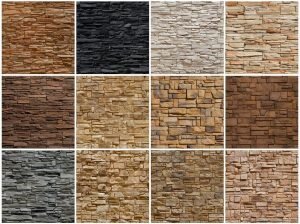
Seamless Stone Masonry Stone WallsMasonry is building structures from individual units, which are often laid in and bound together by mortar. Common materials of masonry construction are brick, natural stone (such as marble, granite, travertine, and limestone,) cast stone, concrete block, stucco, tile, and glass block. Masonry is a highly durable form of construction.

The strength and durability of masonry are affected by the materials used, the quality of the mortar, the workmanship, and the pattern in which they are assembled. A person who constructs masonry is called a mason, a brick mason, stone mason, or bricklayer.

Applications of Masonry
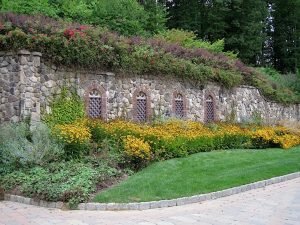
brick wall - stone wall - landscapingMasonry is commonly used for walls and buildings, either inside or outside. Brick and concrete block are the most common types of masonry in use and may be either weight-bearing or a veneer.  Stone, both natural and man-made, is being used more and more for decorative features inside, outside and in backyards. Patios, outdoor kitchens, outdoor fireplaces, fire pits, decorative walls, decking, retaining walls, landscaping or hardscaping, and lots of other amenity applications are common place now. Natural stone masonry can provide very aesthetically pleasing projects.

Advantages of Brick or Stone in Building

  • Bricks and stone masonry increases the thermal mass of a building
  • Brick and stone masonry is non-combustible and provides fire protection
  • Brick and stone masonry walls are more resistant to projectiles, such as debris from hurricanes or tornadoes.
  • Brick and stone masonry weathers well and needs much less maintenance over time than other natural materials.
  • No painting is necessary for brick or stone. Color and finish selections are almost endless.
  • Brick and stone masonry typically lasts longer than wood products
  • Brick and stone masonry has higher compressive strength compared to wood and other natural products.
  • Brick and blockwork walls provide excellent sound insulation.
  • Stone does not warp, swell, bend, splinter, or dent.
  • Brick and stone are versatile in their aesthetic appeal and can work well with other construction materials.
  • Use of brick and stone signals a strong sense of permanence and longevity.

Call Bryon at Huntsville Brick & Stone at (256) 804-0025 for a quote on your brick or stone masonry project. Or, fill out the contact form to the right.

Posted in Block Mason, Brick, Brick Mason, Brick Walls, Masonry, Stone

Leave a Review on Google

Leave a Google Review

Leave a Review on YELP

Leave a Yelp Review

Leave a Review on Facebook

Leave a Review on Facebook

CONTACT US

© Copyright 2021 Huntsville Brick & Stone
​​​​Huntsville, Alabama ​35803
Phone: (256) 804-0025

Privacy Policy | Terms of Use

Web Development and SEO by:
Southern SEO

↑