↓
 

Huntsville Brick Stone

Brick & Stone Masons in Huntsville, AL

Huntsville Brick Stone
  • Home
  • Brick Masonry
  • Stone Masonry
  • Indoor Fireplaces
  • Outdoor Fireplaces
  • Custom Tile Showers
  • Retaining Walls
  • Gallery
Home→Tags fireplace masonry

Tag Archives: fireplace masonry

Outdoor Fireplace vs. Fire Pit: Which Is Worth It for Your Backyard?

Huntsville Brick Stone Posted on May 20, 2026 by HuntsvilleBSMay 13, 2026
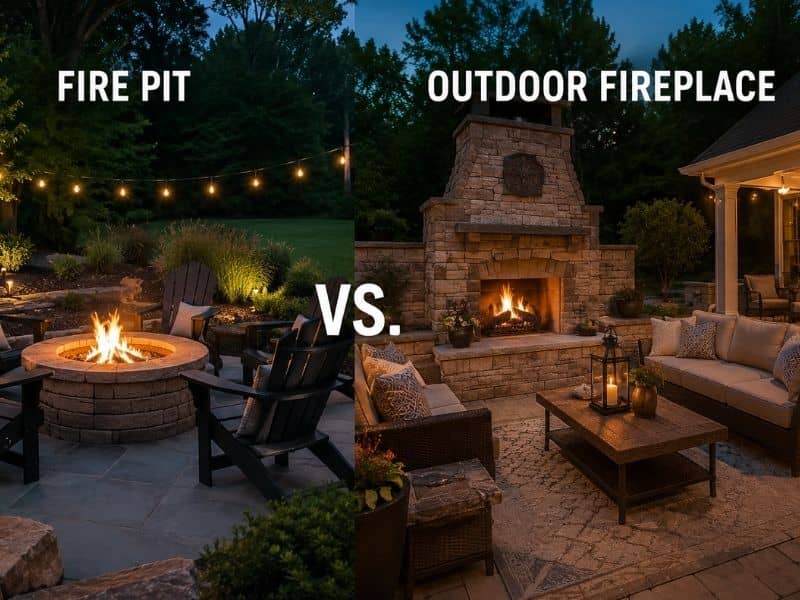
Side-by-side backyard comparison showing a custom outdoor fireplace and a circular fire pit with seating areas at night

Both outdoor fireplaces and fire pits add warmth, beauty, and value to your backyard. A fire pit is the more affordable and flexible option, with built-in masonry versions costing $1,500 to $7,500. A custom outdoor fireplace costs more, ranging from $4,000 to $25,000, but adds more home value and a stronger architectural presence. The right choice depends on your budget, yard size, and how you plan to use the space.

What Is the Difference Between the Two?

A fire pit is an open feature where fire burns in the center and people sit all the way around it. It is casual, social, and works great for roasting food and larger groups.

An outdoor fireplace works like an indoor one but is built outside. It has a firebox, a chimney, and often a mantel. It faces one direction and becomes a permanent part of your patio. Both burn wood or gas, but they create very different experiences.

Cost Comparison

Fire pits cost significantly less than outdoor fireplaces. A simple built-in masonry fire pit starts around $1,500. A custom outdoor fireplace starts around $4,000 and can reach $25,000 for large, fully custom brick or stone builds.

Fire Pit Costs

TypeEstimated Cost
Portable metal fire pit$100 to $500
Simple built-in wood-burning fire pit$1,500 to $2,000
Custom masonry fire pit with stonework$5,000 to $7,500
Gas fire pit with line installation$6,000 to $10,000

Outdoor Fireplace Costs

TypeEstimated Cost
Prefabricated fireplace kit (materials only)$3,000 to $9,000
Custom brick or stone outdoor fireplace$10,000 to $25,000
Large custom fireplace with seating wall$20,000 and up

An outdoor fireplace is a full construction project. It needs a foundation, a chimney, and a firebox built from brick or stone. In most areas, including Huntsville, it also requires a building permit. Installation typically takes one to three weeks.

A custom masonry fire pit can usually be completed in just a few days.

Which One Heats Better?

A fire pit radiates heat in all directions, making it better for warming a larger group. An outdoor fireplace sends heat forward in one direction, which is better for a smaller seating area and works well even on windy evenings.

Because a fire pit is open, wind can push smoke toward guests sitting downwind. An outdoor fireplace draws smoke up through the chimney, so smoke is less of an issue regardless of wind direction.

For warming a large group, a fire pit wins. For a cozy, directed heat source on a covered patio, an outdoor fireplace is the better choice.

Which One Is Better for Entertaining?

Fire pits are better for casual group gatherings because everyone faces each other. Outdoor fireplaces are better for formal or intimate settings with a clear focal point.

Fire pits encourage conversation because everyone sits in a circle and can talk to anyone in the group. They are perfect for family nights, larger parties, and relaxed outdoor hangouts.

Outdoor fireplaces create a more structured setting. Guests sit facing the fireplace, giving the space a formal, polished feel. This works well for dinner parties and quieter evenings.

Which One Adds More Home Value?

An outdoor fireplace typically adds more resale value because it is a permanent architectural feature. A well-built masonry fireplace can recoup up to 78% of its cost in home value. Fire pits add appeal but are often seen as a less permanent feature by buyers.

Both options make your outdoor space more attractive to buyers. But a custom brick or stone outdoor fireplace signals quality and craftsmanship in a way a fire pit alone cannot. If boosting resale value is a priority, an outdoor fireplace is the stronger investment.

Safety: Which Is Safer?

Outdoor fireplaces are generally safer because the fire is enclosed. Sparks and embers stay contained inside the firebox. Fire pits are open, so sparks can escape. A spark screen or cover helps reduce the risk.

With children or pets in the yard, an outdoor fireplace provides more peace of mind. Fire pits can be made safer with a steel spark screen, keeping chairs at a safe distance, and never leaving the fire unattended. Gas fire pits reduce spark risk since they produce a clean, controlled flame.

Permits and Regulations 

Both outdoor fireplaces and permanent masonry fire pits may require a building permit in Huntsville and Madison County. Outdoor fireplaces almost always need one. Check with the City of Huntsville Building Inspections Department before starting any project.

Which One Is Right for You?
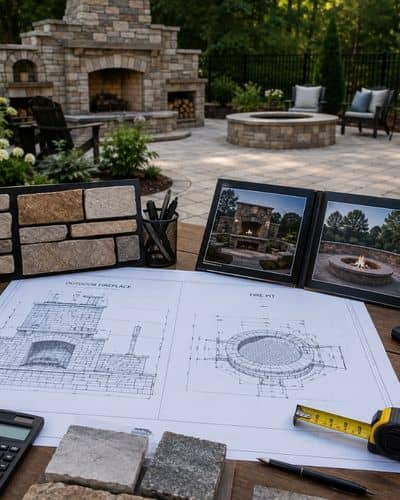
Outdoor fireplace and fire pit design plans with stone samples and layout tools on a backyard patio project table

Use this quick guide to help you decide:

Choose a fire pit if you:

  • Want a more affordable option
  • Have a smaller yard or flexible space
  • Love casual, social gatherings with seating all around
  • Want to cook or roast food over the fire
  • Prefer a faster installation timeline

Choose an outdoor fireplace if you:

Are already investing in stonework, outdoor kitchens, or custom masonry

Want a permanent architectural centerpiece

Have a covered patio or formal outdoor living area

Prefer directed heat without smoke blowing toward guests

Want to maximize home resale value

Frequently Asked Questions

Can I cook on both an outdoor fireplace and a fire pit? 

Fire pits are better for cooking. The open design lets you set a grill grate over the fire. Outdoor fireplaces can work for cooking but the enclosed firebox makes it harder to access the flames.

Do outdoor fireplaces and fire pits need maintenance? 

Yes. Wood-burning fire pits need regular ash cleaning. Outdoor fireplaces need periodic chimney cleaning and mortar checks. Gas versions of both are easier to maintain.

How long does installation take? 

A masonry fire pit typically takes two to three days. An outdoor fireplace takes one to three weeks including foundation and chimney work.

Do I need a gas line for a gas fire pit or fireplace? 

Yes. A licensed gas contractor runs the line before installation. This adds cost but makes the feature much easier to use.
Posted in Outdoor Fireplace | Tagged brick fireplace, fire pit, fireplace masonry

Signs Your Chimney Needs Masonry Repair 

Huntsville Brick Stone Posted on May 18, 2026 by HuntsvilleBSMay 13, 2026
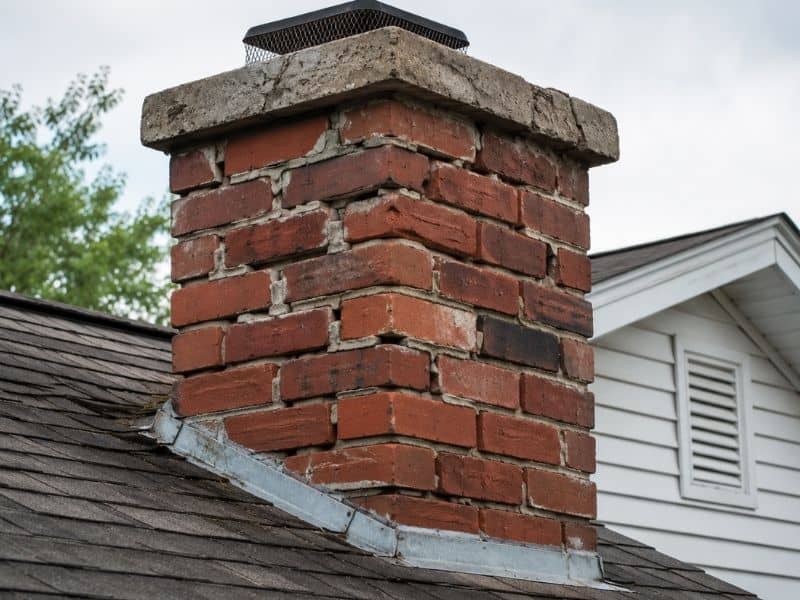
Damaged brick chimney with cracked mortar and visible wear on a residential roof showing early signs of chimney masonry repair

A chimney needs masonry repair when you see cracked or crumbling bricks, white stains on the exterior, mortar falling out, water leaking near the fireplace, or smoke coming back into your home. Catching these signs early saves thousands of dollars and prevents serious safety hazards.

Why Chimney Masonry Problems Are Easy to Miss

Most homeowners only look at their chimney from the ground. The real damage is usually happening higher up, where brick and mortar face the weather every single day. By the time you notice something inside your home, the problem has often been growing for months.

The good news is that chimneys give clear warning signs before a small repair turns into a full rebuild.

7 Signs Your Chimney Needs Masonry Repair

The most common warning signs are cracked bricks, crumbling mortar, white staining, water damage near the fireplace, spalling brick faces, a damaged crown, and a leaning chimney. Any one of these deserves a professional inspection.

1. Cracked or Crumbling Mortar

Mortar is the material between the bricks that holds everything together and keeps water out. When you see gaps, cracks, or loose powder between the bricks, the chimney needs repointing. Water gets into those gaps, freezes in winter, and forces them open even further. Minor repointing costs $150 to $500. Widespread failure can reach $2,200 or more.

2. White Stains on the Brick

Those white, chalky stains are called efflorescence. They appear when water moves through the brick and pulls minerals to the surface. Efflorescence is a sign that water is already getting inside the masonry and will cause bigger cracks over time if not addressed.

3. Spalling Bricks

Spalling is when the face of a brick chips or flakes off. You might find small pieces on your roof or in your yard. This happens when water soaks into the brick, freezes, and expands. Once bricks start spalling, they need to be replaced. Widespread spalling means the chimney is losing structural strength fast.

4. Water Leaks Near the Fireplace

If you notice water stains on the ceiling or walls near your fireplace, or water inside the firebox after rain, your chimney is letting moisture in. This could be a flashing problem, a cracked crown, or failed mortar. Water damage costs rise quickly the longer you wait.

5. A Damaged or Cracked Chimney Crown

The chimney crown is the concrete slab at the very top of the chimney. It keeps rain from falling into the flue. A cracked crown is one of the most common entry points for water and costs only $150 to $350 to fix, far less than the damage it prevents if ignored.

6. Smoke Coming Back Into Your Home

If smoke blows back into the room instead of going up the flue, something is blocking or disrupting the airflow. This can be caused by a cracked flue liner, debris buildup, or structural damage inside the chimney. This is a health and fire hazard. Cracked flue liners allow hot gases to escape into wall cavities and can start house fires. Flue liner repairs cost $625 to $7,000 depending on the damage.

7. A Leaning Chimney

A chimney that visibly leans or pulls away from the house is an emergency. This usually means the foundation has shifted or mortar has failed so badly the structure is unstable. Do not use your fireplace. Call a mason right away.

What Happens If You Ignore the Warning Signs

Small chimney problems grow fast. A $300 repair today can become a $5,000 job within a year or two if water keeps getting in. In the worst cases, a failing chimney can cause a house fire or structural collapse.

Here is a general cost breakdown by damage level:

Level of DamageTypical Repair Cost
Minor cracks, small mortar gaps$150 to $500
Tuckpointing or repointing a section$500 to $2,500
Crown repair$150 to $350
Flue liner repair or replacement$625 to $7,000
Partial chimney rebuild$1,500 to $4,000
Full chimney rebuild$3,100 to $15,400

A well-built brick chimney lasts 50 to 100 years. Mortar needs attention every 20 to 30 years. Staying on top of smaller repairs is what keeps the whole structure standing.

What a Chimney Masonry Inspection Covers

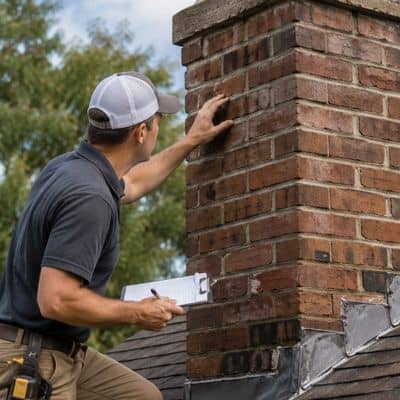
Mason inspecting a residential brick chimney during an inspection to check for masonry damage and repair needs

A professional chimney inspection covers the brick, mortar joints, crown, flashing, flue liner, and the area where the chimney meets the roof. It costs $130 to $380 and gives you a full picture of what needs repair now and what can wait.

A mason or chimney professional will typically check:

Interior walls and ceiling near the fireplace for water stains

All brick and mortar joints for cracks and gaps

The chimney crown for chips and water damage

The flashing where the chimney meets the roof

The flue liner for cracks or blockages

Can You Spot Chimney Damage From the Ground?

Yes, for some of it. Here is what to look for from your yard:

  • White staining on the brick exterior
  • Brick flakes or pieces on the roof or ground below
  • Visible gaps where mortar has fallen out
  • A cracked or uneven crown at the very top
  • Any lean or tilt in the chimney stack

For anything you cannot see clearly from the ground, a professional with a ladder or drone camera will give you a complete picture.

When to Repair vs. When to Rebuild

Repair is the right choice when damage is caught early. A full rebuild is needed when mortar has failed across the entire chimney, bricks are structurally compromised, or the chimney is leaning.

Repairs make sense when:

  • Damage is limited to a few bricks or a section of mortar
  • The crown has surface cracks but is still mostly intact
  • Water damage is recent

A rebuild may be needed when:

  • Large sections of brick are spalling or missing
  • The chimney leans or has pulled from the house
  • Repeated repairs have not stopped ongoing leaks

Frequently Asked Questions

How often should a chimney be inspected? 

The National Fire Protection Association recommends a chimney inspection once a year, even if you use the fireplace only occasionally.

Is chimney masonry repair covered by homeowners insurance? 

Most policies cover sudden damage from storms or fallen trees. They do not cover wear-and-tear or lack of maintenance. Check your policy before scheduling work.

How long does chimney masonry repair take?

Minor repairs like repointing or crown work usually take one to two days. A partial rebuild takes three to five days depending on chimney size.

Posted in Fireplace | Tagged Brick, chimney masonry repair, fireplace masonry

Common Brick Fireplace Mistakes Homeowners Regret Later

Huntsville Brick Stone Posted on May 13, 2026 by HuntsvilleBSMay 13, 2026
A traditional brick fireplace with visible mortar cracks and light masonry wear inside a cozy living room

A brick fireplace can make a living room feel warm, comfortable, and inviting. In many homes, brick fireplaces remain a popular feature because they add character and lasting value. Still, small problems are often ignored until they turn into expensive repairs. Cracked mortar, water damage, and poor remodeling choices are some of the most common brick fireplace mistakes homeowners regret later.

Some people ignore small cracks. Others paint over damaged brick without fixing the real issue first. Some homeowners wait too long before calling a masonry contractor. These mistakes can lead to expensive repairs and safety problems.

Ignoring Small Mortar Cracks

Small mortar cracks may not seem serious at first, but they can grow over time. Cracks can allow heat, smoke, and moisture to move into areas they should not reach, which may lead to costly fireplace repairs later.

One common mistake homeowners make is ignoring cracked mortar. Mortar is the material between the bricks. Over time, heat, moisture, and age can wear it down.

At first, the damage may look small. Later, bricks can loosen and cracks can spread across the fireplace.

Watch for these warning signs:

  • Cracked mortar joints
  • Loose bricks
  • White stains on the brick
  • Smoke smells indoors
  • Small brick pieces on the floor

The Chimney Safety Institute of America recommends yearly chimney inspections to help find hidden damage early.

Painting Brick Without Planning Ahead

Painting a brick fireplace can change the look of a room, but many homeowners regret doing it too quickly. Painted brick is hard to restore later, especially if the brick already has damage underneath.

Many people paint old brick fireplaces to make them look brighter or more modern. While painted brick can look nice, problems happen when damage is covered instead of repaired.

Common problems include:

  • Peeling paint from heat
  • Moisture trapped inside the brick
  • Uneven paint texture
  • Fireplace styles going out of trend

Some homeowners now choose limewash finishes instead because they keep the natural brick texture visible.

Using the Wrong Mortar for Repairs

Using the wrong mortar during fireplace repairs can damage the brick over time. Fireplace mortar must handle high heat and should match the original materials as closely as possible.

Not all mortar products are made for fireplaces. Some repair products crack when exposed to heat.

Older brick fireplaces need special care because the wrong mortar can place stress on the surrounding brick.

Professional masonry contractors often match:

  • Mortar color
  • Mortar strength
  • Texture
  • Joint style
  • Heat resistance

This helps repairs last longer and blend in naturally.

Blocking Airflow Around the Fireplace

A brick fireplace needs proper airflow to work safely. Blocking airflow can cause smoke problems, strong odors, and poor fireplace performance.

Some homeowners focus only on appearance during remodeling projects. They may add cabinets or large decorations too close to the fireplace opening.

Poor airflow can lead to:

  • Smoke inside the room
  • More soot buildup
  • Bad fireplace odors
  • Weak burning performance

The National Fire Protection Association says heating equipment remains one of the leading causes of house fires in the United States.

Ignoring Water Damage Around the Chimney

Water is one of the biggest causes of brick fireplace damage. Moisture can slowly weaken brick and mortar, especially around the chimney.

Many homeowners forget that the chimney outside the home is part of the fireplace system. Rain and humidity can slowly wear down masonry materials.

Signs of water damage include:

  • Damp smells near the fireplace
  • Stained walls or ceilings
  • Flaking brick surfaces
  • White powder on the brick
  • Rust around fireplace parts

Fixing small leaks early can help prevent larger masonry repairs later.

Choosing Style Over Safety

A fireplace should look good, but it should also work safely. Some design choices may look modern at first but create problems later.

Some homeowners choose materials that cannot handle heat well. Others place wood mantels too close to the firebox.

Before updating a fireplace, homeowners should think about:

  • Heat safety
  • Material strength
  • Easy cleaning
  • Long-term maintenance
  • Fireplace performance

Classic brick fireplace designs often last longer and stay in style for many years.

Waiting Too Long for Repairs

Waiting too long to fix fireplace damage can turn a small problem into a large repair project. Early repairs are usually faster and less expensive.

Many homeowners wait until smoke enters the room or bricks start falling loose. By then, the damage may already be worse inside the chimney.

Yearly inspections can help find:

  • Hidden cracks
  • Loose mortar
  • Water damage
  • Chimney problems
  • Ventilation issues

Professional masonry repairs can help keep a fireplace safe and looking its best.

Posted in Fireplace | Tagged brick fireplace, brick fireplace repair, fireplace masonry

Leave a Review on Google

Leave a Google Review

Leave a Review on YELP

Leave a Yelp Review

Leave a Review on Facebook

Leave a Review on Facebook

CONTACT US

© Copyright 2021 Huntsville Brick & Stone
​​​​Huntsville, Alabama ​35803
Phone: (256) 804-0025

Privacy Policy | Terms of Use

Web Development and SEO by:
Southern SEO

↑