Is Painted Brick Worth It?
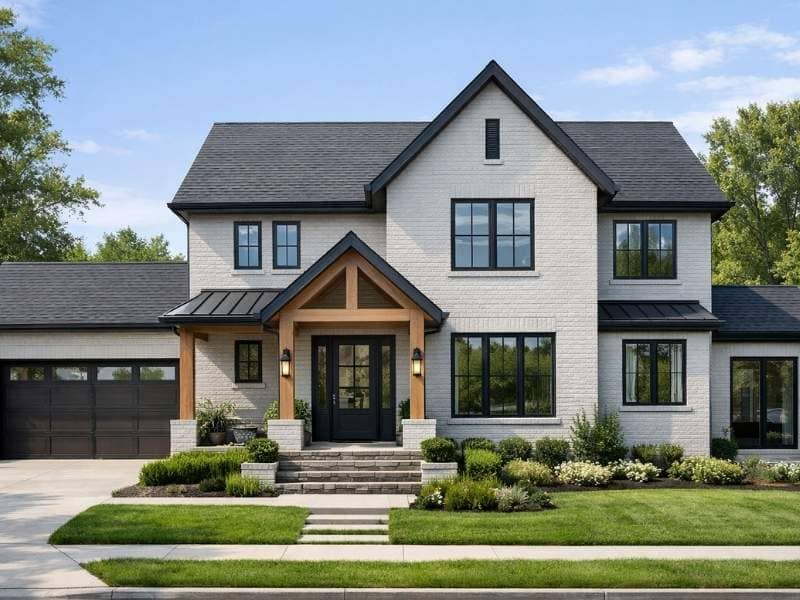
Painted brick is having a moment. White exteriors, limewashed finishes, and soft gray tones are popular right now, and the appeal is easy to understand. A coat of paint can completely change how a home looks from the street.
But painting a brick is not like painting a wall. It is a long-term commitment, and for many homes, it is permanent. Here is the honest answer from a mason who has seen both the good outcomes and the regrets.
It Depends on Your Situation
Painted brick can look great and work well in the right circumstances. But for most homeowners with natural brick in decent condition, it is not worth it. The upfront cost, the ongoing maintenance, the impact on resale value, and the difficulty of reversing the decision all stack up against it.
That does not mean painting is always the wrong call. It means you should go in knowing exactly what you are signing up for.
Painting Brick Is Permanent
This is the part most homeowners do not fully grasp until after the fact. Once brick is painted, getting back to the natural surface is extremely difficult. Removing paint requires chemical strippers or sandblasting. Both are expensive, labor-intensive, and can cause lasting damage. Sandblasting can erode the brick face permanently, leaving a surface that absorbs moisture faster than the original.
Most masonry professionals consider painting brick a one-way decision. If you change your mind five years from now, undoing it will cost more than the original paint job and may leave your brick in worse condition than before.
Think carefully about whether the look you want today is one you will still want in ten or fifteen years.
What Paint Does to Brick Over Time
Brick is a porous, breathable material. It absorbs small amounts of moisture and releases it as temperatures change. Paint creates a film over the surface that can slow or block that process.
When moisture gets trapped behind the paint layer, it leads to peeling, efflorescence (the white chalky deposits that form on masonry), and in colder climates, freeze-thaw damage that causes brick to crack and flake. This is more likely when the wrong paint is used, when existing moisture issues are not addressed, or when the surface is not properly prepped.
The Right Paint Makes a Real Difference
If you have decided that painting is the right move for your home, the type of paint you use matters more than most people realize.
Acrylic latex paint is the most common choice. It is affordable and easy to find, but on brick it typically lasts only 3 to 5 years before repainting is needed.
Mineral-based masonry paint chemically bonds to the brick rather than forming a surface film. It does not trap moisture, is more breathable, and lasts 20 or more years. It costs more upfront but saves on long-term maintenance.
Limewash soaks into the brick rather than sitting on top of it. It gives a soft, aged look, keeps the brick breathing, and fades gradually rather than chipping or peeling. For homeowners who want a fresh look without a fully permanent commitment, limewash is the option most masons recommend.
How Much Does It Cost to Paint a Brick House?
Painting a brick house costs between $2,000 and $8,000 on average, with most projects coming in around $7,000. That covers pressure washing, masonry primer, and the paint itself. Brick absorbs more paint per square foot than wood or vinyl and requires more prep work, which is why the cost runs higher than a standard exterior paint job.
Acrylic latex paint needs recoating every 3 to 5 years. Mineral-based paint extends that cycle to 20 or more years but costs more upfront. Factor in the full lifecycle cost before you commit to a paint job, not just the price of the first coat.
Does Painted Brick Hurt Your Home’s Value?
For most homes, painting natural brick does not increase resale value and can work against you. According to National Association of Realtors data, natural brick facades can return up to 80 percent of their additional cost at resale. Buyers respond to natural brick because it signals durability and low maintenance.
Painted brick changes that picture. Some buyers see it as a modern upgrade. Others view it as added maintenance or a sign of potential moisture problems underneath. Real estate professionals generally advise against painting unpainted brick before a sale. If your brick is already painted, that is less of a concern, but starting with natural brick and painting it to prepare for a sale is rarely the right strategy.
When Painted Brick Does Make Sense
There are situations where painting brick is a practical decision.
If your home has mismatched brick from a previous repair or addition, paint can unify the exterior and create a more consistent look. If the brick has a dated color that clashes with the rest of the home, the right paint can modernize the appearance without major construction. And if you plan to stay for many years and genuinely love the look of painted brick, that is reason enough.
The key is going in with a clear picture of what you are committing to. Know the paint type, understand the repainting schedule, and confirm the brick is in solid condition first. Painting over damaged, cracked, or wet brick hides the problem and makes it worse over time.
What a Mason Recommends
If your brick is in good shape and natural, leave it. Natural brick is one of the most durable and low-maintenance exterior materials a home can have, and it holds its value well over time.
If the appearance is bothering you, try having the exterior professionally cleaned before making any permanent decisions. Pressure washing and repointing worn mortar joints can make a dramatic difference while preserving everything good about the original brick.
If you genuinely want a lighter or more modern look, limewash is the path most masons would recommend. You get the aesthetic without fully closing the door on the brick underneath.