Stone Mason Work for Rebuilding a Damaged Exterior Door Landing
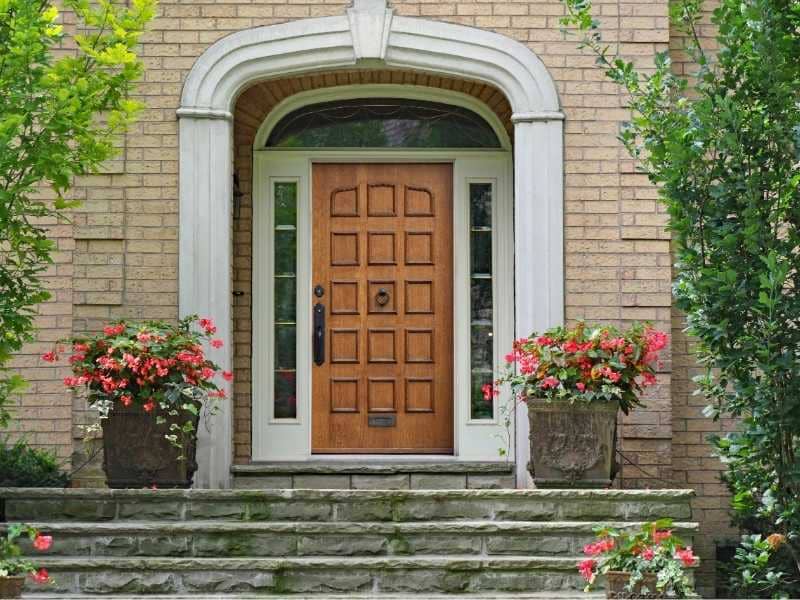
A door landing gets stepped on every day, so small problems grow fast. Loose stones catch toes, water pools at the threshold, and a tilted slab can pull away from the house. A stone mason can rebuild the landing so it sits level, drains away from the door, and ties cleanly into the walkways around it. The first job is finding out why it failed, because a new stone set over an old problem won’t last.
Assessing Damage Before Rebuilding the Stone Door Landing
Start by finding the cause, since the fix depends on it. A stone mason will check the surface, the mortar joints, the base underneath, and how water moves around the landing. Surface wear and base failure call for very different repairs.
Watch for these signs that the problem runs deeper than the surface:
- Stones that rock or sound hollow underfoot
- A landing that slopes toward the door
- Cracks running through several stones in a line
- Gaps opening between the landing and the foundation
- Mortar washing out after heavy rain
If only a few joints are cracked, repointing may be enough. Repointing means removing damaged mortar and packing in fresh mortar. When the base has settled, the stone usually needs to come up so the foundation can be rebuilt. Ask your contractor to show you what they found before you choose either path.
Choosing Stone Masonry Materials for a Durable Landing
The right material handles foot traffic, sheds water, and fits the masonry already on the house. Flagstone, bluestone, and limestone are common choices for stone landings. Brick masonry and brick pavers also work well, especially on a brick home or next to a brick patio. Neither brick nor stone is always the better option, since the choice depends on appearance, traffic, maintenance, climate, and budget.
Texture, Thickness, and Matching
Landings get wet, so very smooth stones can turn slick. A natural cleft or textured finish gives better grip. Thin stone set in mortar needs a solid slab below it, while thicker stone pavers can often sit on compacted gravel. Bring photos of your existing stonework and compare samples in daylight, because a landing that clashes with the house will look like a patch job.
Planning Walkway Transitions, Steps, and Proper Drainage
Drainage has more effect on a landing’s lifespan than almost anything else. The surface should slope gently away from the door so rain runs off instead of pooling. The exact slope depends on the material, the site, and the design. Your contractor should also plan where that water goes once it leaves the stone.
Steps and Elevation Changes
Many landings sit above the yard, so steps connect them to the ground. Riser heights should stay consistent, since uneven steps are a common trip hazard. Local code may set rules for risers, treads, and handrails, so confirm those before the design is final. On a sloped lot, a short retaining wall can hold soil beside the landing and keep the steps from shifting.
Width and Base Preparation
The landing needs enough room to open the door and step aside without stepping off the edge. Walkways leading away from it should be wide enough for comfortable traffic, and that width depends on how the path gets used. Under all of it, a well-compacted base keeps stone from settling again. Poor base prep is one of the most common reasons landings fail early.
Connecting the Landing With Stone Pavers and Outdoor Areas
A rebuilt landing looks best when it flows into the rest of the yard. Stone pavers or brick pavers can carry the design from the door out to a stone patio, a garden path, or the driveway. The seam where two materials meet is where many projects go wrong. Matching the elevations and finishing the edge cleanly keeps the path smooth and safe.
Think about where people actually walk. A back door landing might lead to an outdoor kitchen, an outdoor fireplace, or a seating area. A direct, comfortable route keeps people off the lawn, and a border course of brick or stone helps frame the landing while holding pavers in place.
Maintaining Rebuilt Stonework for Long-Term Durability
Rebuilt stonework holds up best with light, regular care. Sweep the landing often and keep gutters clear so roof water doesn’t spill onto the steps. Check the joints each spring and fall for small cracks. Fixing a gap early costs far less than resetting loose stone later.
Sealing is optional and depends on the stone. Some sealers resist stains, while others darken the color or make the surface slippery. Ask your stone mason which products suit your material, and avoid rock salt on stone and mortar when you can. Keep mulch and soil pulled back from the edges so water can’t collect against the landing.
Frequently Asked Questions
How do I know if my door landing needs repair or a full rebuild?
If the stones are solid and only the joints are cracked, repair is often enough. Stones that rock, a slope toward the door, or gaps at the foundation usually point to a failed base. A rebuild lets a stone mason correct the base and the slope at the same time. An on-site inspection is the only reliable way to tell.
Is brick or stone better for an exterior door landing?
Both can last for decades when the base and drainage are done right. Stone offers a natural look and larger pieces with fewer joints. Brick pavers are uniform, easy to replace, and a natural fit for brick homes. The best choice depends on appearance, traffic, existing masonry, and budget.
How long does it take to rebuild a stone door landing?
Timing depends on the landing’s size, the number of steps, and how much base work is needed. Mortar and concrete also need time to cure before heavy use. Rain and cold weather can pause the work. Your contractor should give you a realistic schedule after inspecting the site.
Why does the water pool on my door landing?
Pooling usually means the surface is flat or slopes back toward the house. It can also happen when the base settles in the middle. Standing water can seep under the door and freeze in cold weather, which widens cracks. Rebuilding with a gentle slope away from the door is the most direct fix.
Can a new landing match my existing patio or walkway?
In many cases, a close match is possible. A stone mason can source material with similar color, size, and texture. Older stone or brick can be hard to match exactly, so a border or accent band sometimes makes the transition look intentional. Compare samples side by side before anything is ordered.
