Outdoor Fireplace Planning Near a Detached Pool Equipment Area
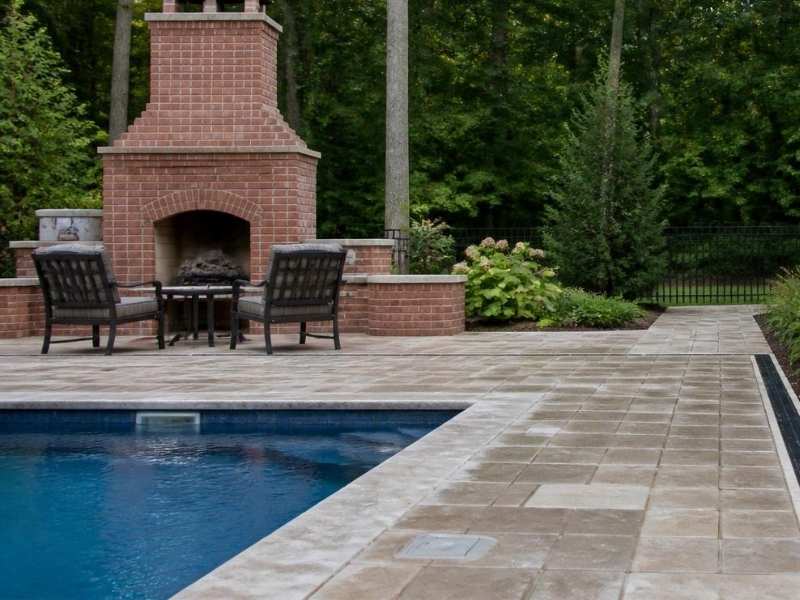
An outdoor fireplace turns a poolside patio into a year-round gathering spot. It adds warmth on cool nights and a real focal point to the yard. The catch shows up when that fireplace lands too close to the pool equipment.
Pool pumps, filters, and heaters need room and access. Build a heavy masonry fireplace right beside them without a plan, and you can block service, crowd clearances, or bury a utility line. Fixing that later often means tearing into finished brick or stone.
Here is the takeaway. An outdoor fireplace near a detached pool equipment area needs careful site and placement planning first. That means handling clearances, utilities, access, and drainage before the masonry goes up. The sections below walk through what to plan and confirm before construction.
Planning Fireplace Location Around Pool Equipment Clearances
A clearance is the open space required around equipment or a heat source. Pool equipment needs clearance for airflow and safety, so the overall poolside layout should leave enough room around it. An outdoor fireplace needs clearance too, since it produces heat and often burns gas or wood.
These two clearances can collide in a tight yard. A fireplace built too close to a pump or heater may crowd the space each one needs. That can affect how the equipment runs and how safely the fireplace operates. Planning the location keeps both in their own safe zones.
Required clearances vary by equipment, fuel type, and local rules. A pool heater has its own spacing needs, and a gas fireplace has others. These can vary by manufacturer, municipality, and county, so confirm the numbers early. A mason and your pool professional can help set a safe layout.
Protecting Utility Routes Before Masonry Construction Begins
Pool equipment runs on utilities. Gas, water, and electrical lines feed the pumps, heaters, and filters. Many of these lines run underground across the yard.
A heavy masonry fireplace sits on a solid foundation. If that foundation lands on top of a utility line, you have a serious problem. The line may be crushed, blocked, or sealed under concrete and stone. Digging it back out means removing the fireplace.
This is why utility routes must be mapped before building. Key steps to handle first include:
- Locating all gas, water, and electrical lines in the area
- Marking where lines run to and from the pool equipment
- Keeping the fireplace foundation clear of those routes
- Planning any new lines the fireplace itself needs
Confirming these routes early protects both the fireplace and the pool system. It also keeps the crew safe during excavation.
Maintaining Service Access Around Detached Pool Equipment
Pool equipment needs regular service. Pumps, filters, and heaters get cleaned, repaired, and replaced over time. A technician has to reach them to do that work.
An outdoor fireplace can block that access if it is placed poorly. A large masonry structure may crowd the path to a pump or filter. It can even trap equipment in a corner with no room to work. Once the fireplace is built, that access is gone for good.
Plan the layout so the equipment stays reachable. Leave clear paths and working room around each unit. Think about replacement too, since a heater or pump may need to come out someday. Good planning keeps service simple long after the fireplace is done.
Coordinating Fireplace Grades, Drainage, and Nearby Hardscape
An outdoor fireplace ties into the ground and the hardscape around it. Grades and drainage shape how water moves through the area. Poor planning here can send water toward the equipment or the fireplace base.
Water is a real concern near pool equipment. Pumps and heaters do not mix well with pooling water. The area should slope so water drains away from both the equipment and the fireplace foundation. Standing water can damage masonry and shorten equipment life.
Local weather adds pressure. The Huntsville area sees heavy rain and storms that test any drainage plan. A fireplace and its patio should move water to a safe outlet, away from the equipment and the house. Drainage rules can vary by municipality and county, so confirm any local requirements before building.
Reviewing Site Layout Before Final Fireplace Construction
The last chance to catch a layout problem is before the masonry goes up. Once the fireplace is built, moving it means starting over. A full review at the start prevents that costly mistake.
Walk the site with your mason and pool professional first. Confirm the fireplace location respects all clearances and utility routes. Check that service access to the equipment stays open. Review the grades and drainage one more time before any concrete is poured.
This review protects a big investment. A little planning keeps the fireplace safe, the equipment reachable, and the yard draining well. Ask your team to confirm the full layout before construction begins. If any permit applies to the gas, electrical, or structure, handle it before work starts.
