Outdoor Brick Fireplaces With Built-In Log Storage
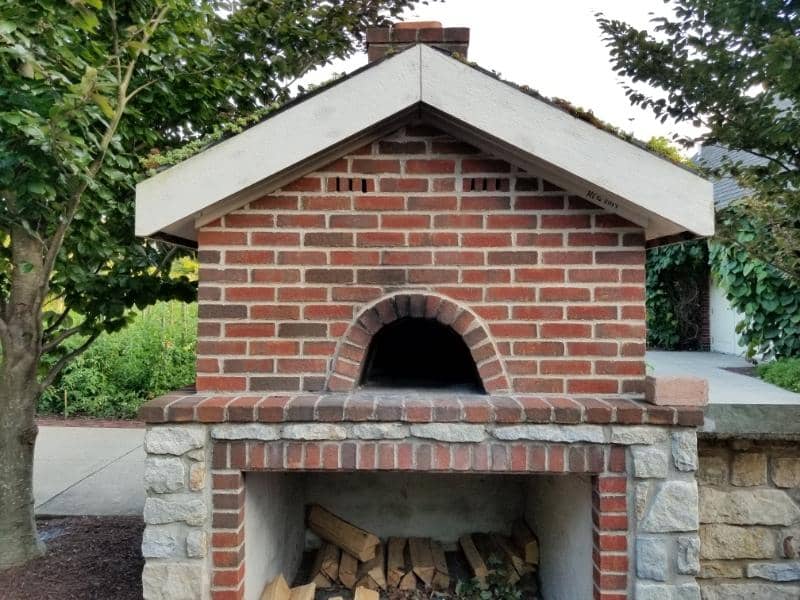
A pile of firewood on a tarp can undo a beautiful patio. Built-in log storage solves that by giving the wood a home inside the masonry, right where you need it. Outdoor brick fireplaces with storage niches look finished, keep wood off the ground, and make every fire easier to start. The key is planning the storage as carefully as the firebox, so the wood stays dry and the masonry stays sound.
This guide is for homeowners planning an outdoor fireplace, with landscape designers and builders in mind. It covers layout, opening design, materials, drainage and airflow, and upkeep. Details depend on your yard, patio, and local requirements, so talk them through with your mason before work begins.
Choosing a Layout for an Outdoor Brick Fireplace With Log Storage
The most common layouts place log storage in side wings beside the firebox or in an opening below a raised hearth. Side wings create a wide, balanced look and hold more wood. A lower niche keeps the footprint smaller and works well on tighter patios.
Think about how the fireplace fits the space. Look at seating, sightlines from the house, and nearby features like an outdoor kitchen or retaining wall. The fireplace should anchor the area without crowding walkways.
Storage niches should sit away from direct heat and sparks. The fireplace design, local code, and any manufacturer instructions for kit components set the clearances. Ask your mason how the layout separates the wood storage from the firebox.
An outdoor brick fireplace is heavy and needs a proper footing or slab beneath it. The right foundation depends on soil, size, and local requirements. If it will sit on an existing brick patio or stone patio, have the slab evaluated before building.
Designing Storage Openings That Keep Firewood Easy to Reach
Good storage openings are sized for real logs and placed where you can reach them without awkward bending. Measure the length of the firewood you usually buy or cut, then size the niche a little deeper and wider. A niche that’s too small ends up holding half a load.
Height matters for comfort. Openings that start a bit above ground level are easier to load and keep wood away from rain splash. Several smaller niches can work better than one large one if space is tight.
Each storage opening needs support above it, usually a steel lintel or a brick arch. A lintel is a beam that spans the opening and carries the brick above. Proper support keeps the brick over the niche from cracking or sagging over time.
Selecting Brick and Masonry Materials for Heat and Weather Exposure
Outdoor brick fireplaces need materials suited to both heat and weather. The firebox is typically lined with firebrick and set with refractory mortar, both made for high temperatures. The outer brick and storage niches need durable face brick and mortar suited to outdoor exposure.
Brick and stone can both work well, and the right choice depends on appearance, budget, and nearby masonry. Many homeowners match the fireplace to the house brick or the patio. A stone cap or hearth can add contrast while blending with stone pavers or a stone patio.
Caps and ledges take the most weather. A solid cap with an overhang helps shed water away from the face below. Ask your mason about cap design and how it protects the storage openings.
Planning Drainage and Airflow Around Built-In Firewood Compartments
Dry firewood needs both drainage and airflow. A niche that traps water or holds still air leads to damp wood, mildew, and stained brick. Plan both features before the walls go up.
A few details keep storage areas dry. Discuss each with your mason during design. Key features include:
- A niche floor sloped slightly toward the front to shed water
- Weep openings or drains at the base of each niche
- Gaps or vents that let air move behind the stack
- A raised rack or spacers to keep logs off the masonry floor
- A cap overhang to keep rain off the opening
Site drainage matters too. The patio around the fireplace should slope away from it so water doesn’t pool at the base. Evaluate grading early, since it’s hard to fix once the masonry is built.
Keeping Brick Fireplaces and Log Storage Areas in Good Condition
Outdoor brick fireplaces stay in good shape with seasonal checks and simple cleaning. Look at the firebox, cap, mortar joints, and storage niches at least once a year. Catching small cracks early prevents bigger repairs.
Clean out storage niches between seasons. Remove bark, debris, and old wood, which can hold moisture and attract insects. Let the niche dry fully before restocking.
Repoint worn mortar joints and replace cracked firebrick as needed. Repointing means removing damaged mortar and packing in fresh mortar. Avoid harsh cleaners or pressure washing, which can damage brick faces and joints.
Frequently Asked Questions
How much firewood can a built-in storage niche hold?
It depends on the niche size and layout. Side wings usually hold more than a single niche below the hearth. Size each opening for your log length plus a little extra room. Plan around how often you use the fireplace.
Is it safe to store firewood next to an outdoor fireplace?
It can be, when the design keeps storage away from direct heat and sparks. Clearances depend on the fireplace design, local code, and any manufacturer instructions. A mason can plan safe separation between the firebox and the storage. Keep loose wood off the hearth while a fire is burning.
How do I keep firewood dry in a brick niche?
Slope the niche floor, add drainage openings, and allow airflow behind the stack. Raise logs off the masonry with a simple rack. A good cap overhang helps keep rain out. Cleaning out debris between seasons also helps.
Can I add log storage to an existing outdoor fireplace?
Sometimes, by building side wings or a matching storage structure beside it. The new work needs its own foundation and matching materials. A mason can check whether the existing fireplace and patio can support it. Plan the tie-in carefully so it looks original.
What maintenance does an outdoor brick fireplace need?
Check the firebox, cap, and mortar joints at least once a year. Clean out ash and storage niches between seasons. Repoint worn joints and replace damaged firebrick when needed. Have firebox and chimney issues checked before heavy use.
