Masonry Features That Should Be Planned Before a New Pool Is Installed
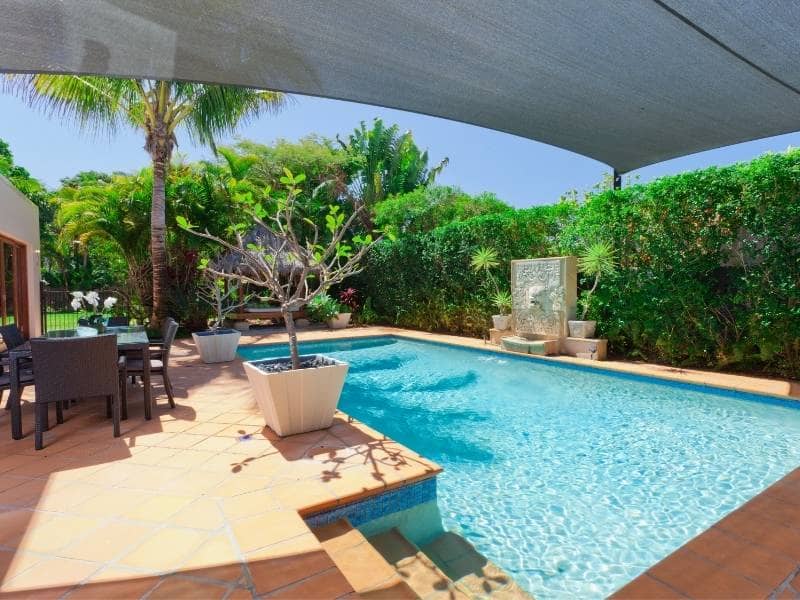
A new pool changes the whole shape of a backyard. The brick and stone that go around it change it just as much. Masonry construction works best when it starts as part of the pool plan, not after the concrete has set. When both are drawn together, the walls, columns, and seating fit the pool instead of fighting it.
The main idea is simple. Plan the masonry early, before grades are locked in and the deck is poured. That way the whole yard reads like one design, and you skip the costly fixes that come from adding stonework too late.
Plan Masonry Walls Around the Pool Before Final Grades Are Set
Low walls, raised borders, and planter edges all sit at a certain height. That height depends on the finished level of the pool and the ground around it. So when the grade shifts even a few inches, a wall that looked right on paper can end up too tall or too short. Setting the wall locations early lets the crew grade the yard to match.
Height is only part of it. The base of each wall needs solid, level ground to rest on. When you plan the wall first, the pool builder can shape the dirt and drainage to support it. After that, the wall, the pool edge, and the lawn all meet at heights that make sense together.
Choose Locations for Masonry Columns Before the Pool Deck Is Finished
Brick or stone columns often mark the entrance to a pool area. They can frame a gate, hold a section of fence, or anchor the corner of a covered spot. Each column needs its own footing dug below the surface. That footing is far easier to place before the deck goes down, not after.
Pouring a deck first and cutting into it later is messy and slow. It also weakens the deck where you least want it weak. When the column spots are marked early, the pool crew leaves openings in the right places. Then the columns rise cleanly, and the deck flows around them.
Decide Where Built-In Masonry Seating Belongs Around the Pool
A seating wall gives people a place to sit, set a drink, or gather without dragging out chairs. These low walls become part of the pool deck, so their spot matters a lot. Put one in the wrong place, and it blocks the path people use to walk around the water. Plan it well, and it turns an empty edge into a favorite corner.
Think about how the deck gets used before you fix the seating in stone. You want room to walk, room to lie out, and clear space near steps and ladders. Built-in seating cannot be nudged over later like a patio chair. So mapping it out first keeps the deck open and easy to move through.
Coordinate Stone or Brick Features With Pool Coping and Decking
Coping is the capped edge that runs around the top of the pool. The deck and any masonry features meet that edge, so their heights and materials need to agree. When the stone, the coping, and the deck are chosen together, the colors and textures match. When they are picked apart from each other, the yard looks like three projects stitched into one.
Transition points deserve attention too. Every spot where brick meets coping, or stone meets concrete, needs a clean joint that sheds water. These details are simple to plan on the front end and hard to fix once everything is poured. Coordinating them early gives the backyard one steady look instead of a patchwork.
Leave Enough Space Around Pool Equipment Areas
Pumps, filters, and heaters keep the pool running, and they all need service now and then. Many owners like to hide this gear behind a short masonry wall or screen. That screen is a smart touch, but only if it leaves room to reach the equipment. Wall it in too tight, and every repair turns into a struggle.
Plan the screen wall with real working space behind it. A technician needs room to open panels, swap parts, and pull a pump if it fails. Equipment also gets replaced over the years, and newer units are not always the same size. So a little extra clearance now saves a lot of trouble down the road.
Frequently Asked Questions
At what stage of the pool build should masonry be planned?
Masonry should usually be considered during the pool planning stage, even if the actual masonry work happens later. Footings and locations for permanent features may need to be coordinated before finished decking or hardscape is installed. The pool contractor and masonry contractor can then determine the best construction sequence for the project.
What masonry materials work well around a pool?
Materials used around a pool should be suitable for exterior exposure, moisture, local weather conditions, and the specific pool environment. Brick and natural stone can perform differently depending on the product and installation. A mason can help select materials appropriate for where and how the masonry will be used.
Can masonry features be added after a pool is already built?
Yes. Masonry features can often be added around an existing pool, but the project may require additional planning. Existing decking, drainage, underground utilities, access, and foundation requirements can affect where and how new masonry features are installed.
