How Brick & Stone Masonry Contractors Build Church Entry Additions
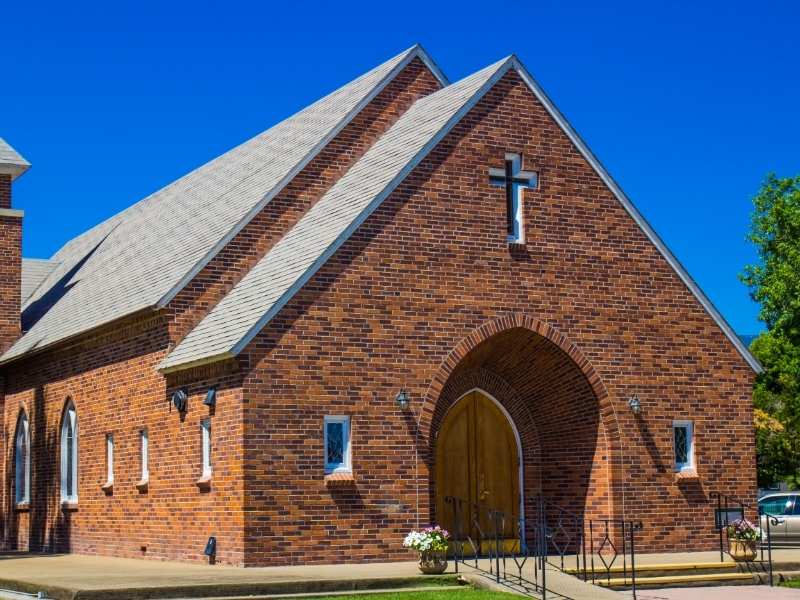
A church entrance does a lot of work on a Sunday morning. It moves families, older members, strollers, and wheelchairs from the parking lot to the sanctuary doors, often in a rush and sometimes in the rain. When a congregation outgrows its entry, or the old one starts to crack and hold water, an addition can solve problems that have been building for years. The best projects start with brick & stone masonry contractors who study traffic, drainage, and existing brick before anyone picks a paver color.
Planning the Layout for a Church Entry Addition
A good layout follows how people actually arrive. Walk the site on a busy day and note where cars drop people off, where lines form, and which doors get the most use. Those paths should shape the addition, since people will cut across the grass if the walkway takes the long way around.
Width matters more at a church than at a home. A home walkway might be three or four feet wide, but a church entry has to handle groups walking side by side and people stopping to talk. Accessibility rules for public buildings may also affect widths, slopes, and landing sizes. Those requirements depend on the project and local code, so confirm them with your architect or building official early.
Many churches use the entry to tie other spaces together. One walkway can link the main doors to a fellowship patio, a prayer garden, a playground, or a covered seating area. Some congregations add a stone patio with an outdoor fireplace or a simple outdoor kitchen for church events. Planning those connections now saves you from tearing out new work later.
Choosing Brick and Stone Masonry for the Entrance
Material choice starts with the building you already have. Most church entries look best when new masonry works with the existing brick, stone trim, or columns. Matching old brick can be tricky, since color and size vary by era and manufacturer. Experienced brick & stone masonry contractors will pull samples and compare them on site in daylight.
Brick Masonry vs. Stone Masonry
Brick masonry gives a clean, orderly look that suits many traditional church buildings. Brick pavers come in consistent sizes, which makes patterns easy to lay and repairs easier to match. They can show wear in high-traffic spots over time, depending on the paver grade and how well the base was built.
Stone masonry brings a heavier, timeless feel to an entrance. Stone pavers vary in texture and thickness, and some surfaces can get slick when wet or when moss grows in the shade. Neither material is always better. The right pick depends on appearance, foot traffic, maintenance, weather, existing masonry, and budget.
Creating Durable Walkways and Entry Transitions
A walkway lasts only as long as the base under it. Base preparation means digging out soft soil, adding and compacting layers of crushed stone, and setting a bedding layer so pavers sit flat. Skipping or thinning this step is the most common reason pavers sink, shift, or rock underfoot.
Transitions deserve close attention at a church entry. These are the spots where one surface meets another, such as a parking lot edge, a step, a landing at the doors, or a brick patio off the fellowship hall. Uneven joints at these points can turn into trip hazards, so ask how your contractor will keep edges flush and secure.
Grade changes add another layer to the plan. If the lot slopes toward the building, you may need steps, a gentle ramp, or a low retaining wall to hold soil back and create level landings. Taller retaining walls can need engineering review, and that depends on the soil, the load, and local rules.
Before work begins, ask your contractor to walk you through:
- How deep the base will be and what material goes into it
- How the paver edges will be held in place
- How the new walk will meet existing steps, slabs, and doors
- Where grade changes, steps, or retaining walls will go
Managing Drainage Around Masonry Entry Improvements
Water is the main enemy of any masonry entry. Hardscape should slope gently away from the building so rain doesn’t pool at the doors or soak toward the foundation. Your contractor should check where downspouts empty, where the parking lot sheds water, and where puddles show up after a heavy storm.
Poor drainage causes damage you’ll see and damage you won’t. Standing water can wash out the base, which leads to sunken pavers and cracked mortar joints. In cold weather, water trapped in brick or stone can freeze, expand, and break the surface over several winters.
The fix depends on the site. Some entries only need a small change in slope, while others need drains, channel grates, or permeable joints that let water pass through. Plan drainage during design, because fixing it after the pavers are set costs far more.
Maintaining Brick and Stone for Long-Term Durability
Well-built brick and stone can last for decades, but they still need care. A quick inspection each spring and fall will catch small problems before they spread. Look for loose pavers, cracked mortar, weeds in the joints, and spots where water sits after rain.
Cleaning should be gentle. A stiff brush and water handle most dirt, while harsh chemicals or high-pressure washing can damage mortar and softer stone. Some surfaces benefit from a sealer, though that choice depends on the material and how the area gets used.
Fix small issues fast. A single sunken paver can usually be lifted, rebased, and reset in an afternoon. Cracked mortar joints need prompt brick repair before water gets behind them and loosens more of the step or wall.
Frequently Asked Questions
How long does a church entry addition take?
Timing depends on the size of the addition, the site conditions, and the materials chosen. A simple walkway and landing may take a couple of weeks, while projects with steps, retaining walls, and drainage work can take longer. Weather delays and material lead times can also stretch the schedule. Many churches plan work between major events or seasons to limit disruption.
Are brick pavers or stone pavers better for high foot traffic?
Both can handle heavy foot traffic when they’re installed over a proper base. Brick pavers offer steady sizes and easier matching when repairs are needed. Stone pavers can be very tough, though some types get slick when wet or shaded. The best choice depends on your building’s look, traffic, budget, and maintenance plans.
Can new masonry match our existing church brick?
A close match is often possible, but it takes some effort. Brick color, size, and texture vary by era and manufacturer, and older brick has weathered over time. A contractor can pull samples and compare them on site in natural light. When an exact match isn’t available, a contrasting border or stone accent can make the change look planned.
How do we keep water from pooling at the new entrance?
Start by making sure all hardscape slopes gently away from the building. Check where gutters, downspouts, and parking areas send water during heavy rain. Some entries also need drains or channel grates near the doorways. Your contractor should review drainage during design, before any pavers are set.
How often should a masonry entry be inspected?
A walk-around each spring and fall is a good habit for most churches. Look for loose or sunken pavers, cracked mortar, weeds, and puddles after rain. Assign one person or committee to track these checks so nothing slips through. Small repairs caught early cost far less than rebuilding a failed section.
