
EV Charging Areas That Benefit From Brick Stone Masonry
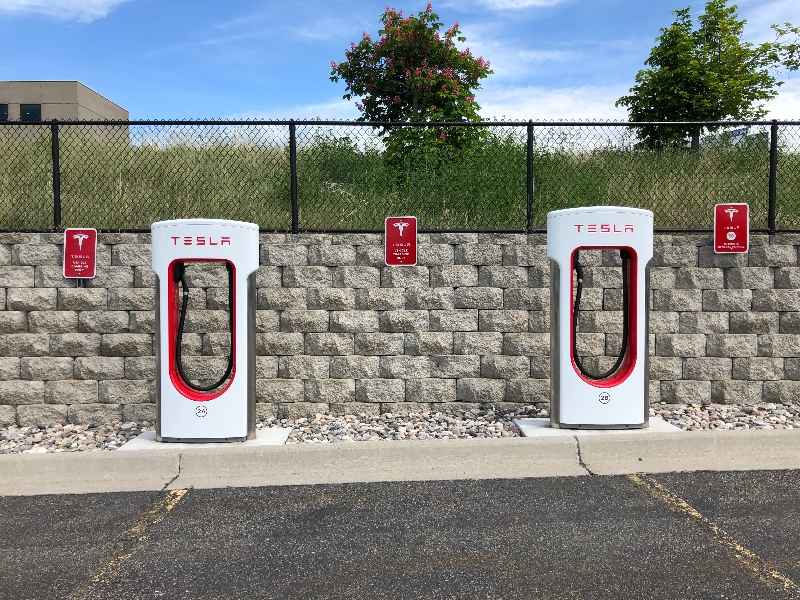
Brick stone masonry gives a charging area defined edges, solid walking surfaces, and a look that matches the house or building. The key is planning the masonry around the electrical layout and drainage before anyone sets a paver. Most EV chargers get installed the same way: a pedestal or wall unit, a strip of bare concrete, and a cord that drapes wherever it lands. That setup works, but it rarely looks finished, and it can leave tripping hazards, muddy edges, and puddles right where people plug in.
Incorporating Brick and Stone Masonry Into EV Charging Areas
Charging areas work best when they feel like part of the property instead of an add-on. Brick masonry can tie a charger into a home with brick siding, a brick patio, or a brick mailbox. Stone masonry fits well where the property already has stone veneer, a stone patio, or stone steps.
Neither material is the right answer every time. The choice depends on appearance, vehicle and foot traffic, maintenance expectations, existing masonry, and budget. Brick pavers offer consistent sizing and plenty of pattern options, while stone pavers bring natural variation and can handle heavy use when they’re the right thickness and type for the load.
Start with a site walk. Look at where the charger will sit, how cars approach, where people walk afterward, and how water moves across the area after a storm. Those answers shape every design choice that follows.
Designing Masonry Borders Around Charging Stations
A masonry border marks the charging spot and gives the charger a clean frame. Common options include a soldier course of brick around a concrete pad, a band of stone pavers along the edge of a parking stall, or a low brick or stone curb behind the charger. Each one helps drivers find the spot and keeps the area from looking half done.
Borders also need to stand up to tires. Edging that sits where wheels roll over it should be set on a properly compacted base, and some designs call for mortar-set units or a concrete footing underneath. A border that rocks loose within a year is worse than no border at all.
Protection for the charger deserves its own conversation. Many installations use bollards or wheel stops to keep bumpers away from the equipment. Masonry can wrap or surround that protection for a finished look, but the protective element itself should be designed for impact, since decorative brick or stone isn’t a vehicle barrier.
Creating Pedestrian Walkways Between Chargers and Buildings
People leave their car at the charger and walk somewhere. A brick or stone walkway gives them a clear route to the front door, a side entrance, a brick patio, or a building lobby instead of a worn path through the grass. On commercial sites, it also keeps pedestrians out of drive aisles.
Plan the width for real use. A walkway that two people can pass on, or that fits a stroller or wheelchair, feels much better than a narrow strip. Keep the surface even, with joints tight enough that heels and canes don’t catch, and choose pavers with a texture that holds traction when wet.
Transitions deserve as much attention as the walkway. Where masonry meets the driveway, a sidewalk, or an existing stone patio, the edges should sit flush or step clearly. On sloped lots, a short retaining wall or a few masonry steps may be needed to hold grade and keep the path comfortable.
Integrating Masonry Features With Electrical Equipment Layouts
Electrical work comes first, and a licensed electrician should handle it. Conduit routes, pull boxes, disconnects, and the charger’s mounting needs should be settled before brick stone masonry work starts. Burying a junction box under mortar or pavers creates a headache for the next person who needs to service it.
A short meeting between the electrician and the masonry crew prevents most conflicts. It’s much cheaper to adjust a paver pattern than to dig up a finished walkway. Cover these items before work starts.
- Conduit depth and route under walkways and borders
- Access to pull boxes, meters, and disconnects
- Clearances the charger manufacturer and local code require
- A mounting surface for wall units or a footing for pedestal units
- Space for cord management so cables stay off walking paths
Masonry pedestals or low walls can hide conduit and give a pedestal charger a finished base. Any mounting method should follow the manufacturer’s instructions and local electrical requirements, which vary by jurisdiction and project scope. The electrician makes the final call on anything attached to the equipment.
Planning Accessible and Low-Maintenance Charging Spaces
Commercial and multifamily charging areas may have accessibility requirements for some spaces, covering surface, slope, and route. Those requirements vary by project type and local code, so confirm them with your designer or permit office early. Residential projects have more freedom, but a smooth, stable surface still makes life easier for everyone.
Drainage decides how long the work lasts. Water that pools around a charger pedestal or under pavers leads to settling, staining, and constant frustration. The base should be graded so water moves away from equipment and buildings, and some sites benefit from permeable pavers or a drain along the low edge.
Base preparation is where cheap jobs fail. A compacted aggregate base at the right depth for the load, solid edge restraint, and joint sand or mortar suited to the traffic all keep pavers in place. Soil conditions and slope can change what’s needed, so have your contractor explain the base plan before work begins.
Maintenance stays simple with the right choices. Sweep joints, refill sand as needed, and seal brick or stone where the material benefits from it. Check borders and walkways once a year for loose units or low spots.
Frequently Asked Questions
Is brick stone masonry strong enough for EV parking spaces?
Yes, when the materials and base are chosen for vehicle traffic. Pavers rated for driveways, set on a properly compacted base with good edge restraint, handle cars well. Thin decorative units meant for patios may crack under tires. Ask your contractor which products and base depth fit your space.
Should I choose brick pavers or stone pavers around my charger?
Both can work well. Brick pavers offer consistent sizing and classic patterns that match many brick homes. Stone pavers bring natural texture and color variation that pairs with stone features. Base the choice on appearance, traffic, maintenance, existing masonry, and budget.
Can pavers go over the charger’s electrical conduit?
They often can, as long as the conduit meets the depth and protection requirements the electrician follows. The masonry crew should know exactly where conduit runs before excavation. Pull boxes and access points must stay reachable. Coordinate both trades before any digging starts.
