↓
 

Huntsville Brick Stone

Brick & Stone Masons in Huntsville, AL

Huntsville Brick Stone
  • Home
  • Brick Masonry
  • Stone Masonry
  • Indoor Fireplaces
  • Outdoor Fireplaces
  • Custom Tile Showers
  • Retaining Walls
  • Gallery
Home→Categories Brick Mason - Page 6 << 1 2 … 4 5 6 7 8 >>

Category Archives: Brick Mason

Post navigation

← Older posts
Newer posts →

Signs You Need a Brick Mason for Structural Problems

Huntsville Brick Stone Posted on July 20, 2026 by HuntsvilleBSJuly 16, 2026
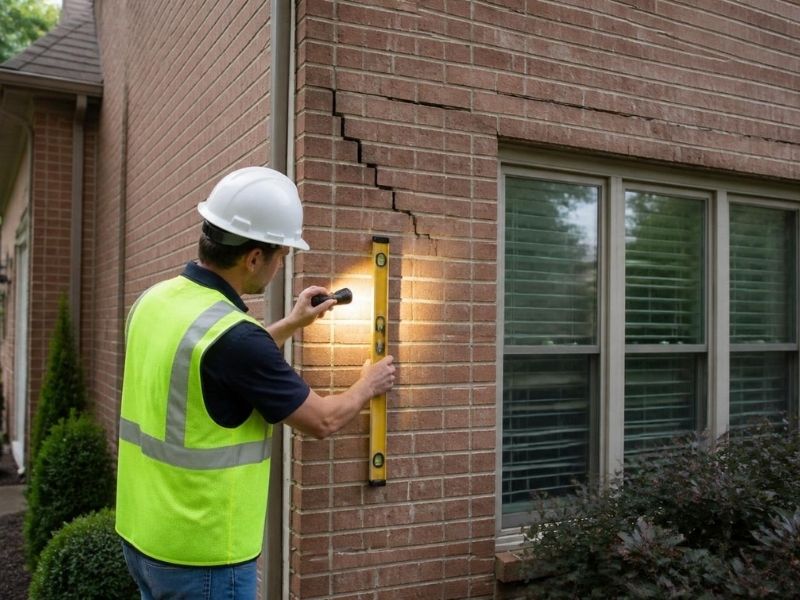
Professional brick mason inspecting stair-step cracks in a residential brick wall for signs of structural movement and masonry damage.

Most brick problems don’t announce themselves. They show up as a thin line over a window, or one course sitting slightly proud of the rest. Homeowners look at it for two years and decide it’s cosmetic.

Sometimes they’re right. Often they’re not, and a brick mason judges that by position and direction rather than width. Knowing the difference early can prevent minor maintenance from turning into extensive structural brick repair later. Brick is stiff and it doesn’t bend quietly, so when something moves below or behind it, the wall shows you where.

Not Every Crack Means the Same Thing

Cosmetic mortar cracks are common and mostly boring. They’re hairline, they sit in the joint rather than through the brick, and they come from mortar shrinking and weathering over decades. A wall full of these usually needs joint work, not a structural conversation.

Stair-step cracks are different. They climb diagonally through the mortar joints, following the weakest path through the wall. That pattern means one part of the wall settled or lifted relative to another, and the crack is tracing the line between the two.

Vertical cracks appear near corners, openings or where wall sections meet. Some are movement joints doing exactly what they were built to do. Others mean the wall is being pulled apart, and a mason tells the difference by what sits on either side.

Horizontal cracks deserve the most attention. Brick handles weight pressing down well and sideways pressure poorly. A long horizontal crack often means something is pushing on that wall, which is what brick resists the worst.

Location beats width every time. A hairline horizontal crack along a foundation wall worries me more than a wider stair-step crack in a garden wall.

When Brick Starts Moving Instead of Simply Aging

Aging brick gets dirty, chalky and worn. Moving bricks change shape, and shape is what you should watch. One is maintenance. The other has a clock on it.

Bulging and bowing show up when a wall no longer sits in a single plane. Stand at a corner and sight down the face. A wall that pillows outward has lost the connection holding it flat, and that connection isn’t visible from outside.

Displacement is easier to spot once you know to look. Individual bricks or whole courses sit forward, backward or off line from their neighbors. Anything out of the plane got pushed or pulled, because brick doesn’t do that on its own.

Separation at corners is one of the clearest signals there is. Corners are where two walls meet and where differential movement appears first. A gap that widens as it rises means those walls are no longer going the same direction.

Watch the wall pulling away from the structure too. Look for gaps at rooflines, soffits and window frames. That separation says the brick and the frame have stopped moving together.

The Hidden Structural Problems Brick Often Reveals

Here’s what surprises most property owners. The brick is usually fine. Brick typically outlives whatever fails around it.

Foundation settlement drives most stair-step cracking. The ground under one part of the structure gives way and the wall follows. The brick cracked because it stayed rigid while the ground stopped cooperating.

Failing lintels sit above windows and doors, carrying brick over the opening. Steel lintels rust, and rusting steel expands with real force. A horizontal crack or displacement right at a lintel line means the steel, not the brick.

Water intrusion works slower and does more damage. Water trapped behind masonry breaks down mortar and rusts embedded metal. The brick face is the last thing to show it and the first thing people blame.

Wall ties are the piece almost nobody knows about. On brick veneer, small metal ties connect the brick to the structure behind it. When those ties corrode away, the veneer has nothing holding it flat, and localized brick replacement may become necessary after the underlying support issue has been corrected.

Shifting soil covers the rest. Expansive clay swells when wet and shrinks when dry, moving whatever sits on it. Your brick is reporting a problem happening several feet underground.

Small Masonry Repairs Can Become Major Structural Repairs

Every open crack is a way in for water. Once water gets behind brick, it soaks mortar, saturates the backup wall and finds the metal. A line you could barely see becomes a wall that’s wet inside.

Freeze-thaw cycles do the rest. Water in a crack expands as it freezes and pries the opening wider, then more water gets in next time. Repeat that through a few winters and the mortar around it turns to sand.

Movement compounds too. Whatever caused the original crack rarely stops on its own, so the wall keeps flexing at its weakest point. Joints lose their grip and adjacent bricks start doing work they were never meant to do.

The cost curve should get your attention. Repointing joints is a modest job. Rebuilding a bulged wall or replacing corroded ties is a different number entirely, and you bought that number by waiting.

What a Professional Brickmason Looks for Before Any Repair Begins

A good brick mason doesn’t start with brick. They start by asking whether the wall is still moving, because replacing brick on a shifting wall is money set on fire.

The inspection usually runs like this.

  1. Read the crack pattern first, since direction and path point toward the cause.
  2. Check wall alignment by sighting the face and measuring plumb, which finds bulging the eye misses.
  3. Test mortar condition by hand, because mortar that crumbles under a key shows how far deterioration has gone.
  4. Trace drainage and water paths, including grade, gutters and downspouts.
  5. Examine structural supports at every opening, especially lintels and bearing points.
  6. Determine whether movement is finished or ongoing, which decides whether repair now is possible.
  7. Decide if stabilization comes first, since a wall needing support gets that before a single brick is replaced.

Step six is where cheap quotes fall apart. Anyone can replace cracked brick and make a wall look new. If the cause is still active, that repair cracks again in the same place, and you’ve paid twice for one problem.

Ask any mason bidding your job what caused it. If they can’t answer, they’re selling you brick rather than a fix.

Frequently Asked Questions

Are all brick cracks signs of a structural problem?

No. Hairline cracks in mortar joints are often cosmetic and result from normal shrinkage or weathering. Stair-step, horizontal, or widening cracks are more likely to indicate movement beneath or behind the wall. The crack’s location and pattern are usually more important than its width.

What causes stair-step cracks in brick walls?

Stair-step cracks usually develop when part of the structure shifts because of foundation settlement or soil movement. Since mortar joints are weaker than the bricks themselves, the crack typically follows the mortar rather than passing through the brick.

Why are horizontal cracks in brick more concerning?

Horizontal cracks can indicate pressure against the wall from expanding steel lintels, soil movement, or failing wall ties. Because brick is designed to carry vertical loads better than sideways pressure, this crack pattern often deserves prompt evaluation.

Should I call a brickmason or a structural engineer?

That depends on what’s causing the damage. A brick mason can repair deteriorated mortar, replace damaged bricks, and rebuild affected sections. If the cracking is caused by ongoing foundation movement or structural settlement, a structural engineer may need to evaluate the issue before masonry repairs begin.

Should cracked brick be repaired if the wall is still moving?

No. Repairing masonry before the underlying movement is corrected often leads to the same cracks returning. A professional should first determine whether the wall has stabilized and whether structural repairs are needed before replacing damaged brick or mortar.
Posted in Brick Mason | Tagged Brick, Brick Masonry

Brick Repair: How to Match Existing Masonry for Seamless Results

Huntsville Brick Stone Posted on July 17, 2026 by HuntsvilleBSJuly 10, 2026
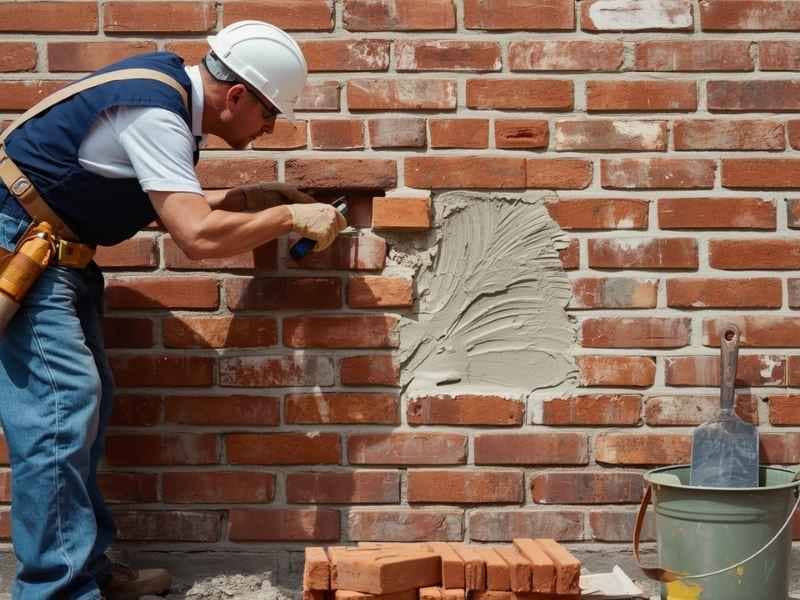
Brick repair by a mason matching replacement brick and mortar for seamless masonry results

Good brick repair should fix damage without making the repaired area stand out. The goal is to restore the wall so the new work blends with the old brick and mortar. When the right materials and methods are used, the repair can look natural and help the masonry stay strong for many years.

This is not always easy. Brick changes over time as it is exposed to rain, sun, dirt, and changing weather. Mortar can also fade, crack, or wear away. A skilled mason must look at the full wall before choosing replacement materials.

Matching brick and mortar takes care, patience, and experience. A repair that looks simple may require several steps to create a clean and even result.

Why Matching Existing Brick Is Essential for Seamless Repairs

Brick comes in many sizes, colors, shapes, and textures. Even two bricks made by the same company may not look exactly alike. Older bricks can be even harder to match because time changes its surface and color.

A mason first studies the brick around the damaged area. They look at the size, face texture, color range, and edge shape. They may also check how the brick reacts to light and moisture.

The new brick does not always need to be an exact match. In many cases, a close blend works better. Brick walls often have natural color changes, so the goal is to choose a replacement brick that fits within the same range.

Reclaimed brick may help with older buildings. This brick comes from past projects and may have the worn look needed to match existing masonry. New bricks can also work well if the right size, color, and finish are available.

A poor match can create a clear patch that draws attention. A careful match helps the repair blend into the wall and keeps the original look of the property.

How Masonry Professionals Match Mortar Color and Texture

Mortar makes up a large part of the wall’s appearance. Even when the brick match is good, the repair may still stand out if the mortar is the wrong color or shape.

Masons study the existing mortar before mixing new material. They check the color, grain, joint width, and joint style. Some mortar joints are smooth and flat. Others may be curved, recessed, or slightly rough.

The type of sand used in the mix can change the final color and texture. Cement, lime, and pigments can also affect the result. Masons may prepare small test samples before starting the full repair.

Fresh mortar often looks darker when it is wet. It becomes lighter as it dries and cures. This is why the final match cannot always be judged right away.

The strength of the mortar also matters. Mortar that is too hard may place stress on older bricks. Mortars that are too weak may fail too soon. A professional chooses a mix that supports the wall and works well with the existing materials.

Repair Techniques That Preserve the Original Look of Brickwork

Different types of damage require different repair methods. A mason should remove only the material that has failed whenever possible. This helps protect the original brickwork and reduces the size of the repair area.

Common repair methods include:

  • Replacing only cracked or broken bricks
  • Removing and replacing weak mortar joints
  • Matching the original joint shape and finish
  • Cleaning the repaired area with gentle methods
  • Blending replacement bricks across a small area when needed

Selective brick replacement works well when only a few bricks have failed. The mason removes the damaged units without harming the bricks around them. New bricks are then placed using matching mortar.

Tuckpointing repairs worn or cracked mortar joints. The old mortar is removed to a proper depth before new mortar is added. Simply placing new mortar over weak joints may create a short-term patch that fails again.

The final joint finish is also important. The mason shapes the new mortar to match the surrounding joints. This small detail can make a major difference in how well the repair blends.

Common Causes of Brick Damage That Require Professional Repair

Brick is strong, but several problems can damage it over time.

Moisture is one of the main causes. Water can enter cracks, gaps, or weak mortar joints. In cold weather, trapped water may freeze and expand. This can cause the brick face to crack, flake, or break apart.

Settlement can also lead to damage. Buildings may shift slightly as soil moves or settles. This can create stair-step cracks in mortar joints or larger cracks through the brick.

Impact damage may come from vehicles, tools, falling tree limbs, or lawn equipment. Even one damaged brick can allow water to reach the wall.

Old mortar can also wear away after years of exposure. Once joints become deep or loose, the wall may lose protection from water and weather.

Early repair often costs less than waiting. Small cracks and weak joints can spread if the cause is not fixed.

Maintaining Curb Appeal After Brick Repair Is Complete

Once the repair is done, basic care can help the masonry keep a clean and even look.

Property owners should check brick walls from time to time. Look for new cracks, loose mortar, stains, or areas that stay wet. Catching small problems early can help prevent larger repairs.

Gutters and downspouts should move water away from the wall. Poor drainage can cause water to collect near the base of the masonry.

Plants and vines should not grow directly against the brick. They may trap moisture and hide damage. Keeping plants trimmed also makes it easier to inspect the wall.

Avoid harsh cleaning methods. Strong chemicals and high-pressure washing can damage brick faces and mortar joints. A mason can suggest a safer cleaning method when stains appear.

Frequently Asked Questions

Can new bricks be matched to older brickwork?

Yes. A skilled mason can compare the size, color, texture, and finish of the existing brick. Reclaimed brick may work well for older walls, while new brick can often be blended into newer masonry.

Will repaired brick areas be noticeable?

A repair may look slightly different at first because the new mortar needs time to cure. With a good brick match, proper mortar color, and careful joint work, the area should blend more naturally over time.

How long does professional brick repair last?

A quality repair can last for many years. Its lifespan depends on the materials, workmanship, weather, and whether the original cause of the damage was fixed.

Is tuckpointing enough, or do bricks sometimes need replacement?

Tuckpointing is useful when the mortar has failed but the bricks are still strong. Cracked, loose, or badly damaged bricks usually need replacement.

How can I prevent future brick damage?

Keep water away from the wall, repair small cracks early, maintain gutters, and inspect the masonry often. Good drainage and quick repairs can reduce future damage.

Posted in Brick Mason | Tagged brick repair

Fireplace Repair Before Winter Can Prevent Bigger Costs

Huntsville Brick Stone Posted on July 13, 2026 by HuntsvilleBSJuly 10, 2026
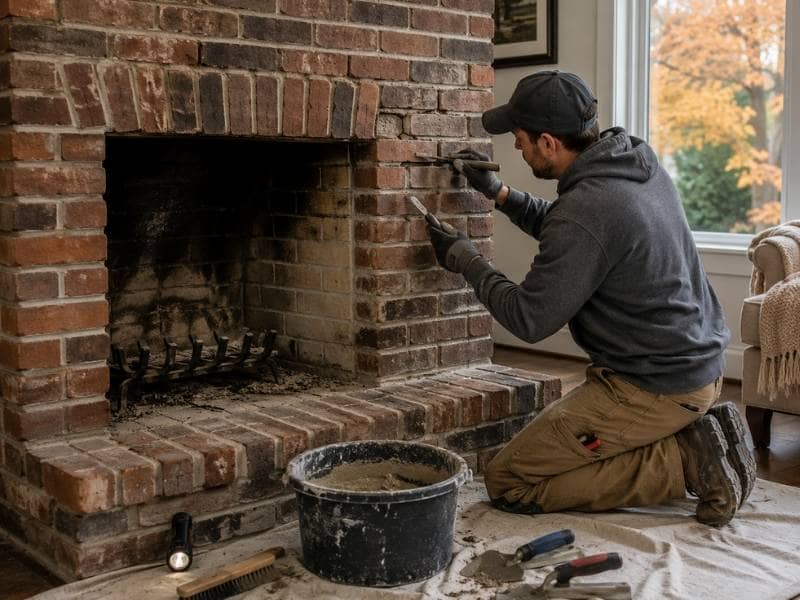
 Fireplace repair by a mason repairing cracked mortar joints on a brick fireplace before winter

Fireplace repair is easy to put off until the first cold night, and that’s when it gets expensive. A fireplace and chimney work as one masonry system. So a small crack or worn mortar in the fall can become a real safety problem once you burn fires nightly. The best time to fix it is while the weather is still mild and a mason isn’t racing the cold.

Warning Signs Your Fireplace Needs Repair Before Winter

Most fireplace trouble starts small, and the early signs are easy to spot. Watch for these:

  • Cracked or crumbling mortar joints, which let air and water into the brick.
  • Spalling brick, when the face of the brick flakes or pops off.
  • Smoke that drifts back into the room instead of going up the flue.
  • Water stains on the wall or ceiling near the chimney.
  • Loose bricks at the top of the chimney, a wobbly damper or a rusted firebox.

Some of these are more than a repair bill. A blocked or damaged flue can push carbon monoxide back into the room, and that gas has no smell. Creosote is another danger. It’s the tar that builds up inside a chimney, and it catches fire at about 451 degrees Fahrenheit. The Chimney Safety Institute of America says to clean the chimney once that buildup reaches one eighth of an inch. Small fixes in the fall stay cheap. Wait until winter, and a minor repair can turn into a rebuild.

How Freeze and Thaw Cycles Make Fireplace Cracks Worse

Brick and mortar soak up water like a sponge. During the day, that water sits inside the masonry. At night, when the temperature drops below freezing, the water turns to ice. Ice takes up about 9 percent more space than water, so it pushes the crack wider from the inside. One freeze does little harm. The problem is the repeat. Over one winter, a chimney can go through dozens of freeze and thaw cycles, and each one opens the crack a little more. Mortar that looked fine in October can crumble by February. That’s why timing matters. Sealing before the first hard freeze keeps water out when it does the most damage. Our piece on how water moves through masonry goes deeper into the water damage side of brick.

What a Professional Fireplace Repair Inspection Checks

A good mason looks at the whole system, not just the front of the fireplace. A full inspection usually covers:

  • The firebox, where the flames and heat hit the brick hardest.
  • The mortar joints, checked for gaps, soft spots or missing pieces.
  • The flue liner, where even a small crack can let heat reach the wood framing.
  • The chimney crown and cap, which are the first defense against rain from above.
  • The flashing, the metal seal where the chimney meets the roof.

There’s a good reason to do this every year. The national fire safety standard, NFPA 211, calls for a chimney and fireplace inspection at least once a year, even if you rarely use them. Animals, moisture and slow wear don’t wait for a fire. Catching the small problems now is the point, since those grow into big bills after a few hard freezes.

Common Fireplace Repairs That Protect Your Home

After the inspection, the repairs usually fall into a few types. Tuckpointing is the most common. The mason scrapes out the old, failing mortar and packs in fresh mortar. This reseals the joints and adds years to brick that’s still solid. That matters, since clay brick can last a hundred years while the mortar around it wears out every 25 to 30 years. So worn mortar rarely means new brick. The mix matters too. Mortar that’s too hard can crack the brick instead of protecting it, and you can read more in our guide to matching mortar.

Other repairs handle bigger problems. A mason pulls damaged brick and sets matching pieces so the wall stays strong. Firebox repair needs special heat-rated brick and mortar that can take direct flame. Crown repair and sealing come last, never first, because sealing a damp wall traps the water inside where it keeps causing harm. Done in the right order, these repairs guard the parts of your home a fireplace can put at risk, like the framing behind the firebox and the ceiling under a leaky crown.

Why Fall Is the Right Time for Fireplace Repair

Fall beats winter for a simple reason. Once the cold hits, everyone finds their fireplace problem at the same time, and masons book up fast. Cold also works against the repair. Mortar needs mild weather to set, so a job that takes a day in October can drag on for weeks in deep winter. There’s a safety side too. Fire safety groups tie neglected chimneys to around 25,000 chimney fires each year in the US, and those fires can reach about 2,000 degrees inside the flue. A sound, sealed fireplace also drafts better, so you get more heat and less smoke in the room. Every crack you close in the fall is damage you avoid later. A cracked crown left alone can mean a soaked chimney and a stained ceiling by spring.

Frequently Asked Questions

How do I know if my fireplace needs repair?

Look for the small signs first. Crumbling mortar, flaking brick, smoke that drifts back into the room and water stains near the chimney all point to a repair that’s due. A strong campfire smell when no fire is burning is another clue. Any of these is worth a closer look before the cold season.

Can I use my fireplace if I notice cracked mortar?

It’s risky, so it’s better to wait. Cracked mortar in the firebox can let heat and sparks reach the wood framing behind the wall, and that’s how many house fires start. It’s safer to have a mason check it first. Once the joints are solid again, the fireplace is safe to use.

How long does fireplace repair usually take?

Most repairs are quick. Sealing joints or patching a firebox often takes a day or two. Bigger jobs, like a full crown rebuild or brick replacement, take longer. Weather plays a part too, since mortar needs mild temperatures to set well. That’s one more reason to plan the work before the cold arrives.

Is fireplace repair different from chimney repair?

They overlap, but they aren’t the same. Fireplace repair focuses on the firebox, the hearth and the brick you see inside the room. Chimney repair covers the flue, the crown, the flashing and the stack above the roof. A good mason handles both, since a problem in one part often affects the other.

When is the best time of year to schedule fireplace repair?

Fall is the best window. The weather is still mild enough for mortar to set well, masons aren’t yet swamped with winter emergencies and you get everything fixed before the freeze cycle starts on the cracks. Spring is a good second choice, since it gives you the warm months to fix whatever winter revealed.

Posted in Brick Mason | Tagged Fireplace Repair

Post navigation

← Older posts
Newer posts →

Leave a Review on Google

Leave a Google Review

Leave a Review on YELP

Leave a Yelp Review

Leave a Review on Facebook

Leave a Review on Facebook

CONTACT US

© Copyright 2021 Huntsville Brick & Stone
​​​​Huntsville, Alabama ​35803
Phone: (256) 804-0025

Privacy Policy | Terms of Use

Web Development and SEO by:
Southern SEO

↑