
Brick Repair Where Porch Flashing Meets an Exterior Wall
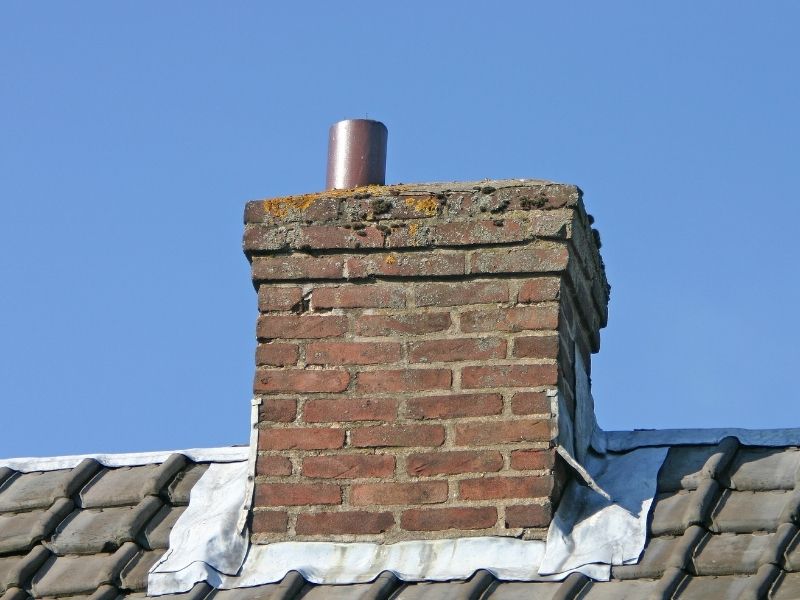
The spot where a porch roof meets the brick wall is one of the quietest failure points on a house. Water slips in behind the flashing, and by the time the brick shows it, the damage has already spread. Brick repair in this area only holds up if you fix the water path, not just the cracked mortar. Get that part wrong and the same stains show up next season. For developers, catching this early protects the whole wall and keeps a small patch from turning into a structural bill. This guide covers why the joint matters, how to spot trouble, what causes it, how to fix it, and how to keep water out for good.
Why the Flashing-to-Wall Connection Needs Special Attention
This joint needs extra care because it’s where two different materials meet and water is always looking for a way through. The porch roof sheds water straight toward the wall, and the flashing is the only thing steering that water back out. Metal flashing and brick don’t move at the same rate, so the seam between them is under constant stress.
Most builds use counterflashing tucked into a mortar joint above the porch roof. When that tuck is done right, water runs down the metal and drips clear of the brick. When it’s loose, cracked, or never set into the joint, water rides in behind the brick instead. Once it’s behind the wall, it soaks the mortar, freezes in winter, and slowly pushes the brick apart.
There’s also a hidden layer most people never see. Good work uses step flashing along the roof slope and a separate counterflashing over it, so the two pieces overlap and shed water in the right direction. If those pieces are reversed, short, or missing, the wall has no real defense at the seam. That’s why a small flashing gap can turn into a wall problem you can spot from the yard.
Signs of Brick Damage Near the Porch Roofline
Watch for cracked brick, crumbling mortar, dark stains, white powder, or loose masonry along the line where the porch roof meets the wall. Dark streaks usually mean water is tracking down the brick from a bad seam above. White chalky buildup, called efflorescence, shows that water is moving through the wall and drying on the surface.
Loose, bowed, or hollow-sounding brick is a bigger warning. It often points to freeze cycles or mortar that has washed out behind the face. A simple test helps here. Drag a key or a screwdriver across the mortar joints near the flashing, and if the mortar flakes or crumbles easily, water has already been at work.
Check inside too, since peeling paint, damp drywall, or a musty smell near that corner can trace back to the same leak. Find the real source before you touch the brick, because repairs mean little if the water keeps coming from the same place. Timing matters as well. A crack you catch this spring is a patch, while the same crack ignored through a wet winter can spread across several courses of brick.
What Causes Damage Around Porch Flashing
Most damage here traces back to water that the flashing was supposed to carry away and didn’t. Failed or missing flashing is the top cause. Sometimes the flashing is there but was never set into a mortar joint, so it just leans against the brick and lets water slip behind it.
Other causes stack up over time. Sealant at the seam dries out and cracks, leaving an open gap. The wood porch and the brick wall expand and shift at different rates, which can pull that seam apart. Clogged gutters or a poor roof slope send extra water at the joint instead of away from it.
Weather does the rest. Freeze and thaw cycles work on any moisture that gets trapped inside, expanding it and prying the brick loose bit by bit. Splash-back from a low roof edge or a hard rain can also keep the lower brick wet longer than it should be. Old, soft mortar washes out under all of this, which speeds up the whole process. Not every crack has the same source, so it pays to look closely before you assume.
Repair Considerations for Bricks and Mortar at the Wall Joint
A good repair treats the brick, the mortar, and the flashing as one system instead of three separate fixes. Swapping a cracked brick and repointing the joint feels like a fix, but if the flashing still leaks, you’ve only reset the clock. The water finds the same path and the new mortar fails again.
Start by pulling the damaged brick and checking the flashing behind it. Reset or replace the counterflashing into a clean, cut mortar joint so it locks in place and sheds water past the face. Then repoint with mortar that matches the strength and color of the original, since a mismatched mix can crack or trap moisture. A mortar that’s harder than the brick can even cause the brick face to spall over time.
Match the replacement brick to the size, color, texture, and bond pattern of the wall so the patch blends in. Rake the old joints to a clean depth before repointing, and pack the fresh mortar in tight so no gaps stay behind. Give the mortar time to cure before you call it done. If a lot of brick is loose above an opening, get masonry help to check the support first, because that can signal something bigger than a flashing leak.
How Proper Water Management Helps Protect Future Repairs
A repair only lasts when water gets sent away from the joint instead of toward it. Start with the roof itself. A proper slope and a clean drip edge move rain past the wall rather than dumping it at the seam. Gutters and downspouts should carry that water well away from the porch corner.
The flashing does the close-in work. Counterflashing sealed into the mortar joint keeps water on the outside of the brick, and a clear path for any trapped moisture lets the wall dry out. Weep spaces at the base of the affected area give that water somewhere to go instead of pooling behind the face.
Then it comes down to simple upkeep. Check the sealant at the seam once a year and reseal it before it hardens and splits. Keep gutters clear so they don’t overflow onto the joint during storms. Walk the corner after a few heavy rains and look for fresh stains or damp spots. Small checks like these are cheap, and they keep a solid repair solid for years.
