
Brick Repair Where Exterior Steps Tie Into a House Wall
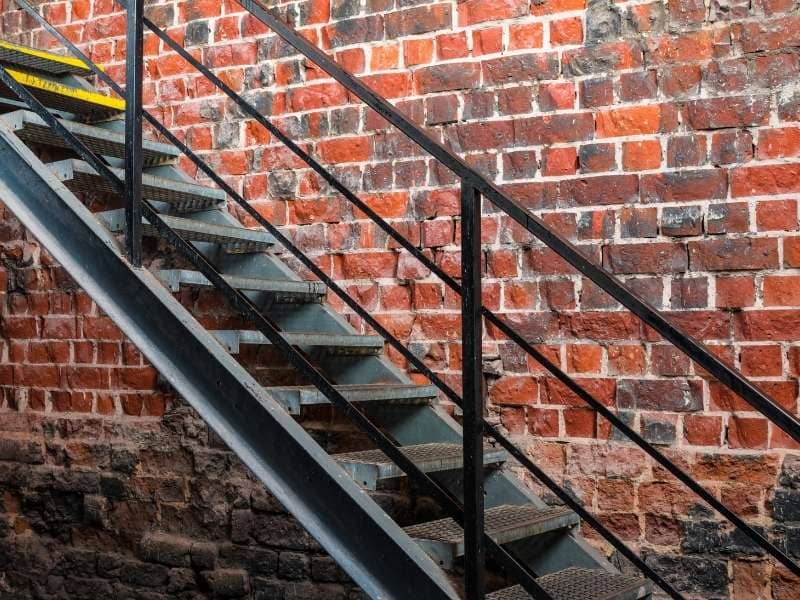
The joint where your front steps meet the house takes more abuse than almost any other spot on the exterior. Rain splashes against it, water runs along it, and the steps and house can move in slightly different ways. Over time, that small seam can turn into cracked mortar, loose brick, or a gap you can slide a finger into.
Brick repair at this connection takes more than filling a crack. The fix has to account for movement, water, and the way the steps were built. Find out why the joint failed first, then repair it in a way that keeps the same problem from coming back.
Assessing Brick Damage Where Steps Meet the House
Start by looking closely at where the steps touch the wall. Small hairline cracks in mortar can be cosmetic. Wider cracks, gaps, or bricks that move when pressed usually point to a bigger issue.
Common warning signs include:
- A gap opening between the top step and the house
- Stair-step cracks running up the wall from the step
- Loose or missing bricks on the step sides or landing
- White, chalky stains called efflorescence, which signal moisture moving through brick
- Steps tilting away from the house or sinking at one end
Exterior steps often sit on their own footing, separate from the house foundation. If that footing settles or the soil under it shifts, the steps move while the house stays put. That movement pulls at any brick or mortar tying the two together.
Water is the other common cause. Moisture that sits in the joint can wash out mortar, rust metal ties, and break down brick faces. Before planning a repair, a mason should figure out whether movement, water, or both caused the damage.
Planning the Brick Repair Around Step Transitions
The right repair depends on what’s causing the damage. If the steps are stable and only mortar has failed, repointing may be enough. Repointing means removing damaged mortar to a set depth and replacing it with fresh mortar.
If the steps have settled or pulled away, the repair gets bigger. Loose brick may need to be removed and relaid. In some cases, the step base or footing needs work before any brick goes back.
One key decision is whether the steps should be rigidly tied to the house or allowed to move on their own. Many masons prefer a separation joint, sometimes called an expansion or isolation joint. It’s a small gap filled with flexible sealant that lets the two structures move without cracking each other.
Ask your mason how the steps were built and which approach fits your home. The answer may depend on the step size, footing design, soil conditions, and how the house wall is constructed. If movement looks structural, an engineer may need to evaluate the foundation or footing before repairs begin.
Matching Masonry Materials at the House Connection
Repairs at the step joint sit right at your front door, so mismatched brick stands out. Good brick masonry repairs match the original in color, size, and texture. Even a slightly different shade can look like a patch from the street.
Matching starts with finding the right brick. A mason may compare samples from suppliers, look for reclaimed brick from the same era, or salvage bricks from a hidden spot on the house. Bring a loose brick to the supplier if you have one, since photos rarely show true color.
Mortar matters just as much. New mortar should match the old in color and joint style, whether that’s concave, flat, or raked. It should also be compatible in strength, because mortar that’s harder than the brick can cause the brick faces to crack or flake over time.
If your steps use stone treads or caps, those pieces need attention too. Matching stone masonry follows the same rule of comparing color, texture, and thickness. The goal is a repair that looks like it’s always been there.
Managing Water and Drainage Along the Step Joint
Water causes most repeat failures at this connection. Steps should slope slightly away from the house so rain doesn’t collect against the wall. A landing that tilts toward the house sends water straight into the joint you just repaired.
Check the brick wall above and around the steps. Many brick homes have weep holes, which are small openings near the bottom of the wall that let trapped water drain out. Steps built too high or too close can block these openings, so ask your mason to keep them clear or address any that are covered.
Look at what sends water toward the steps:
- Gutters that overflow above the entry
- Downspouts that dump water near the steps
- Soil or mulch sloping toward the house
- Nearby brick pavers, stone pavers, or a brick patio that drain toward the stoop
Fixing these sources protects the repair. Extend downspouts, adjust grading, and seal the step joint with flexible sealant where a separation joint is used. Evaluate drainage early, since redoing grading after the brick work is done can disturb the new repair.
Maintaining the Repaired Brickwork for Long-Term Durability
A good repair can last for many years with simple upkeep. Check the step joint at least once or twice a year. Look for new cracks, gaps in sealant, or bricks that feel loose.
Sealant at a separation joint wears out faster than brick or mortar. Plan to replace it every several years or whenever it pulls away or cracks. Keeping that joint sealed keeps water out of the wall.
Clean brick gently with water and a soft brush. Avoid high-pressure washing, since it can blast out mortar and damage brick faces. Skip harsh acid cleaners unless a mason recommends them for a specific stain.
Watch for signs that the steps are moving again. If gaps reopen or cracks return quickly, the step footing or soil may still be shifting. Call a mason before the damage spreads into the house wall.
Frequently Asked Questions
Why is brick cracking where my steps meet the house?
Most cracks come from movement between the steps and the house. Steps often sit on a separate footing that can settle differently. Water getting into the joint also weakens mortar and brick. A mason can check which cause applies to your home.
Should exterior steps be attached to the house wall?
It depends on how the steps and house were built. Many masons prefer a flexible separation joint so both can move without cracking. Rigid ties can work in some designs but may crack if the steps settle. Your mason can recommend the best approach for your situation.
Can new brick match my existing brick?
A close match is often possible with careful sourcing. Masons compare color, size, and texture with supplier samples or reclaimed brick. Mortar color and joint style also need to match. Older homes may take more time to find a good match.
Is brick repair at the steps a structural problem?
Not always, since many repairs only involve mortar and a few bricks. Large gaps, sinking steps, or wall cracks can point to footing or soil issues. Those may need an engineer’s input before repairs start. A mason can help you decide when to bring one in.
How long does a brick repair at the step joint last?
A well-done repair can last many years if the cause is fixed. Drainage, step stability, and sealant upkeep make a big difference. Repairs that ignore movement or water often fail sooner. Yearly checks help catch small problems early.
