Brick Patio Planning Around an Existing Freestanding Pergola
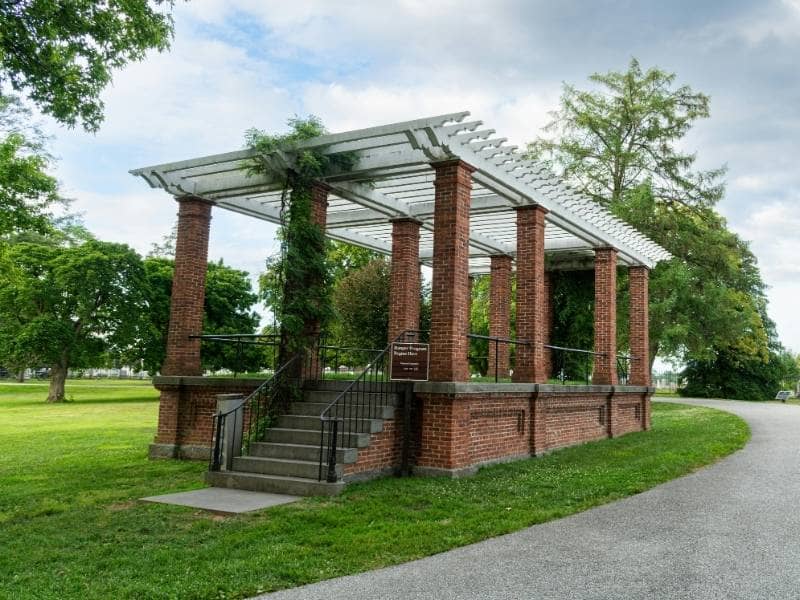
The pergola went up first, and now the ground beneath it is patchy grass and muddy footprints. It’s a common order of events. Adding a brick patio around an existing freestanding pergola can finish the space, but those posts change how the patio needs to be laid out, dug, and drained.
A freestanding pergola stands on its own posts instead of attaching to the house. Those posts and their footings are fixed points the patio has to work around without weakening them. Start by checking the pergola’s footings and layout, then plan the brick pattern, base, and drainage around them.
Assessing the Pergola Footprint Before Designing a Brick Patio
Start with what’s holding the pergola up. Posts may sit in concrete footings below grade, be bolted to concrete piers or pads, or be set directly in the soil. Each setup affects how deep crews can dig nearby and how the patio meets each post.
Check the structure before paving around it. Look for rot at the base of wood posts, rust on metal brackets, leaning posts, or loose connections. Fixing or replacing a post is much easier before brick surrounds it.
Measure the pergola carefully, including post spacing and whether it’s square to the house. Many pergolas are slightly out of square, and a straight patio pattern will make that obvious. Your mason can plan the layout to hide small differences instead of highlighting them.
Choosing Brick Patterns That Complement Pergola Posts
The pattern should relate to the pergola’s grid. Lining up joints or borders with the post lines and beams makes the patio and the structure look planned together. Running bond laid parallel to the main beams, for example, can echo the lines overhead.
Herringbone and basket weave are popular for patios, and herringbone holds up well under foot traffic. Busy patterns need more cuts around posts, though, and those cuts can look choppy if they aren’t handled well. A border solves much of that.
A soldier course, which is a row of bricks set on end along an edge, can frame each post or outline the whole pergola area. It gives every cut a clean edge and makes the posts look intentional. Some homeowners also mix materials, such as stone pavers under the pergola with brick pavers outside it, to define the space.
Planning Patio Edges and Walkways Around Existing Supports
Pavers shouldn’t press tight against wood posts. Brick packed against a post traps water and dirt at the base, which can speed up rot. Leaving a small gap filled with gravel, or using a post base that lifts the wood off the surface, helps the post dry out between rains.
Think about how the patio’s finished height relates to the post bases. Raising the grade around existing posts can bury metal brackets or the bottom of wood posts. If the patio needs to sit higher, talk with your contractor about extending post bases or adjusting the design.
Plan walkways and edges around how people actually move. Paths from the house, gate, outdoor kitchen, or outdoor fireplace should reach the pergola without forcing people to squeeze between posts and furniture. Every patio edge also needs an edge restraint, which is a buried border that keeps pavers from creeping outward over time.
Preparing the Base and Drainage for a Stable Brick Patio
A brick patio is only as stable as the base below it. Most dry-laid patios use excavated soil, compacted crushed stone, and a thin bedding layer under the brick. Base depth depends on soil conditions, drainage, and expected use.
Digging near pergola footings takes care. Excavating beside or below a footing can loosen the soil supporting it. Crews may need to hand dig around posts, keep excavation shallow near footings, or brace posts temporarily. If nobody knows how the footings were built, have them checked before heavy digging starts.
Plan drainage before the first brick goes down. The patio should slope gently away from the house and toward lawn, beds, or a drain. If the pergola has a solid roof, shade panels, or louvers, water may drip in lines along its edges, so that runoff needs a path too. On sloped yards, a low retaining wall or step may help keep the patio level.
Maintaining Clearance and Access for Long-Term Outdoor Use
A good layout leaves room to live. Plan where the table, chairs, or lounge seating will go under the pergola, and make sure chairs can slide back without catching on posts or patio edges. Keep main walkways clear of furniture so people can move through easily.
Think about future work as well. Wood pergolas need staining or sealing, and posts may need replacing someday. A gravel collar or removable border around posts makes those jobs easier without tearing up large sections of brick.
Run conduit for lighting, fans, or outlets before the patio goes in. After installation, sweep regularly, pull weeds from joints, and top off joint sand as needed. A quick check each season for settled bricks or water pooling near posts keeps small problems from growing.
Frequently Asked Questions
Can I build a brick patio around an existing pergola without moving it?
In most cases, you can. A mason can lay out the patio around the posts and work carefully near the footings. The pergola’s condition and footing type affect how the work is done. Have the posts and footings checked before excavation begins.
Should pavers touch the pergola posts?
It’s usually better to leave a small gap around wood posts. Bricks tight against wood can trap moisture and speed up rot. A gravel collar or raised post base helps the post dry out. Metal or masonry posts may allow a tighter fit, depending on the design.
What brick pattern works best under a pergola?
Patterns that line up with the pergola’s posts and beams tend to look most natural. Running bond and herringbone are both common choices. A soldier course border around posts or the pergola area helps clean up cuts. The best pattern depends on your style, budget, and how you use the space.
Will digging for the patio damage the pergola footings?
It can if excavation goes too deep or too close. Careful hand digging and shallow excavation near footings help reduce the risk. Some posts may need temporary bracing during the work. If you’re unsure how the footings were built, have them checked first.
How do I keep water from pooling near pergola posts?
Slope the patio away from the posts and the house. Leave a gravel gap around posts so water can drain away. Keep joint sand full and bricks level over time. If water still collects, a drain or adjusted grading may help.
